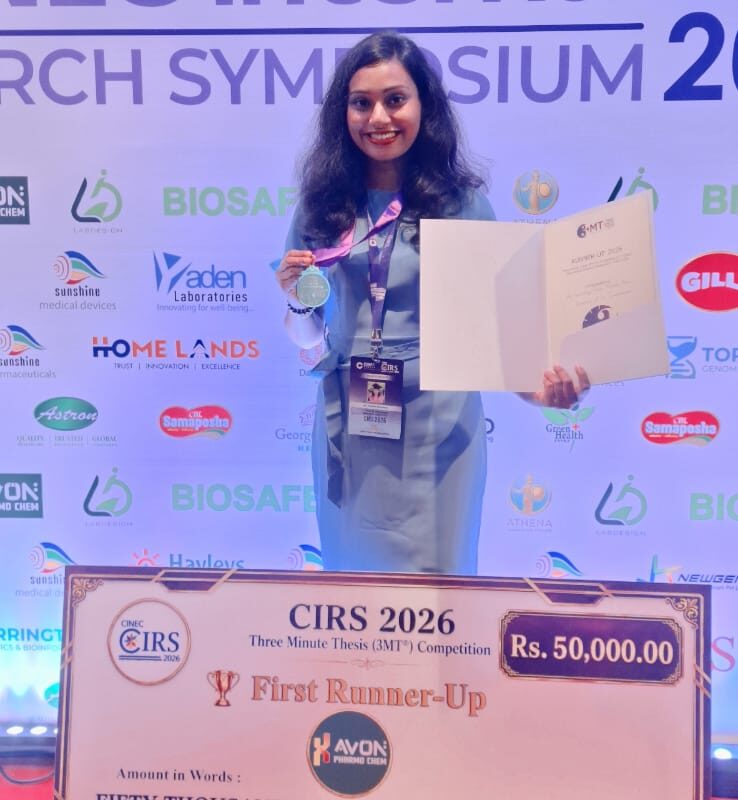
We are delighted to congratulate Ms. Pulmini Alwis, an MPhil student in Chemistry, on achieving the First Runner-Up position at the Three Minute Thesis (3MT) Competition organized as part of the CINEC International Research Symposium (CIRS 2026).
Ms. Alwis achieved this outstanding recognition for her effective presentation of her MPhil research project entitled “Synthesis and evaluation of novel metal complexes towards potential therapeutic and diagnostic applications,” which she is conducting under the supervision of Prof. Theshini Perera. Her research focuses on the development and evaluation of novel metal complexes with potential applications in therapeutics and diagnostics, contributing to the growing area of medicinal inorganic chemistry.
The achievement reflects Ms. Alwis’s dedication to research, as well as her ability to effectively communicate complex scientific concepts to a general audience. Her success at the CIRS 2026 3MT Competition is a notable accomplishment for both her and the Department of Chemistry.
We extend our warmest congratulations to Ms. Pulmini Alwis and her supervisor, Prof. Theshini Perera, on this remarkable achievement and wish Ms. Alwis continued success in her MPhil research and future academic endeavors.
We are delighted to congratulate Ms. Saranya Selvaraj Lavan on being awarded the Kandiah Memorial Award for Applied Chemistry 2026, one of the prestigious research awards presented by the Institute of Chemistry Ceylon during its 55th Annual Sessions. The award recognizes outstanding postgraduate research in chemistry related applied interdisciplinary fields where chemistry plays a central role.
Ms. Lavan received this distinguished recognition for her exceptional research contributions in MPhil degree in Chemistry under the supervision of Prof Laksiri Weerasinghe. Prof Inoka C. Perera (University of Colombo), Prof Nilwala Kottegoda, and Dr. Tharindu Senapathi also contributed to this work as co-supervisors. Her MPhil research was supported by the Faculty Research Grant of the University of Sri Jayewardenepura and focused on the project titled “Evaluation of Naturally Derived Peptides for Selective Anticancer and Antibacterial Therapy.”
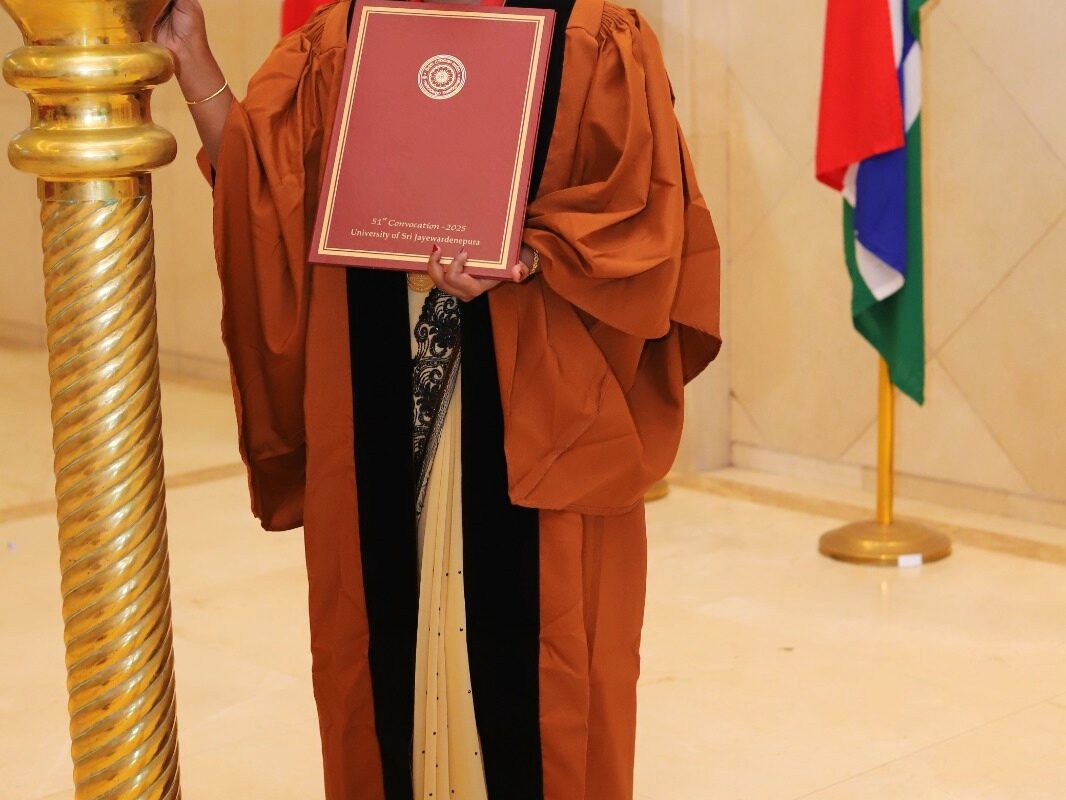
Her research has contributed to several publications in SCI-indexed journals and has been presented at numerous national and international scientific conferences. She has been also awarded the Gold Medal for Research Excellence at the 51st Convocation of the University of Sri Jayewardenepura for MPhil program under the Board of Study in Physical Sciences of the Faculty of Graduate Studies. She is currently pursuing a Ph.D. at Deakin University, Australia.
We extend our heartfelt congratulations to Ms. Lavan on this outstanding achievement and wish her continued success in her future research and academic endeavors.
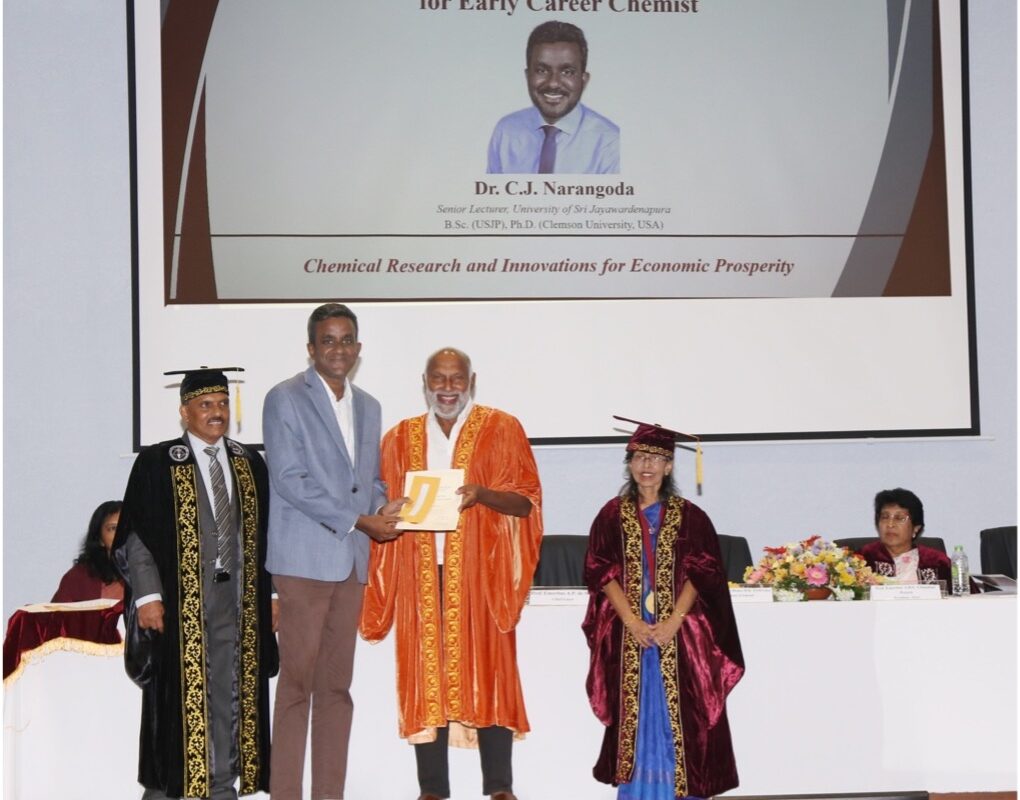
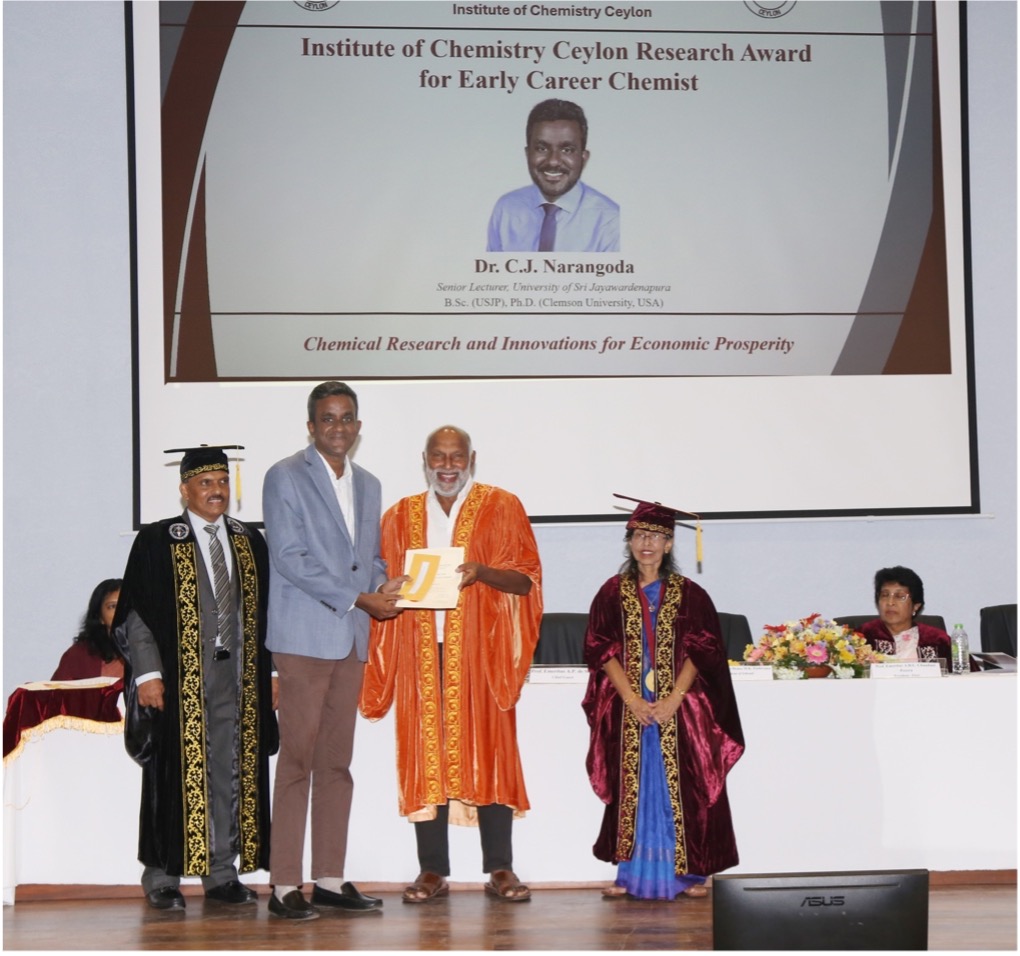
26 June 2026 – The Department of Chemistry, Faculty of Applied Sciences, University of Sri Jayewardenepura takes great pride in celebrating the remarkable achievement of Dr. Chandima Jeewantha Narangoda, Senior Lecturer and Director of the Center for Advanced Material Research (CAMR), Faculty of Applied Sciences, who has been honored with the Institute of Chemistry Ceylon Research Award for Early Career Chemists at the 55th Annual Sessions and 85th Anniversary celebrations of the Institute of Chemistry Ceylon.
A Milestone Achievement
The Institute of Chemistry Ceylon, Sri Lanka’s premier professional body for chemists, presented this prestigious award in recognition of Dr. Narangoda’s exceptional research contributions and impact in organic and materials chemistry. The award was formally presented at the inauguration ceremony held at the Institute of Chemistry (Malabe Campus) on 26 June 2026, highlighting the caliber of research being conducted within our faculty.
“This is an achievement within an achievement! This recognition is a testament to the dedication and collaborative spirit of our research team at Department of Chemistry and CAMR, which is already an achievement” said Dr. Narangoda. “It reflects not only individual research endeavors but also the institutional support and the exceptional contributions of our research students and research collaborators who are the real heroes behind this success”
Research Excellence and Innovation
Dr. Narangoda’s research portfolio spans multiple cutting-edge areas in organic chemistry, materials chemistry, and polymer science and demonstrating both depth and breadth of expertise:
Synthesis of medicinally valuable heterocyclic small molecules
Dr. Narangoda possesses expertise in the development of methodologies for accessing rare heterocyclic molecules, including diazacyclobutenes and tetrahydroindoles. His research group focuses on the extraction and isolation of natural products, which are subsequently modified using organic chemistry principles to produce synthetically modified natural product-based hybrid drugs. These drugs exhibit enhanced therapeutic potential, particularly in antimicrobial and anticancer applications. Additionally, he provides remote supervision to PhD students engaged in the synthesis of anticancer therapeutics at the Department of Biophysics, Manipal School of Life Sciences (MSLS), Manipal Academy of Higher Education (MAHE), Karnataka, India.
Natural Rubber Composites & Bio-Based Fillers
His research on natural rubber latex composites has pioneered the use of sustainable bio-based fillers, including organically modified microcrystalline cellulose (AMCC) and chitosan. Recent work demonstrates significant enhancements in mechanical and curing properties through intelligent chemical modification of bio-fillers. This research is particularly relevant for Sri Lanka’s natural rubber industry and supports the nation’s sustainable development goals.
Advanced Polymer Films and Sensors
Current research in this area includes the development of polymer film-based and organic small molecule-based sensors for foodborne bacteria detection as well as modification of biomaterials using organic chemistry principles for rapid detection of cyanotoxins in water addressing critical challenges in food safety and environmental monitoring.
Anticorrosive Coatings and Metal Complexes
Collaborative research has yielded novel surface-coating technologies that utilize hybrid metal complexes, with applications in industrial corrosion mitigation.
Transdermal Drug Delivery
Interdisciplinary work includes the development of slow-release transdermal drug-loaded rubber materials, combining materials science with pharmaceutical applications.
Publications and Impact
During the assessment period (2023-2025), Dr. Narangoda’s research group has produced:
4 publications in SCI/SCOPUS-indexed journals, including Materials Today Communications and Journal of Organic Chemistry, with emerging citations demonstrating research impact
13 peer-reviewed conference abstracts presented at national and international symposia, including the Sri Lanka Association for the Advancement of Science (SLAAS) 81st Annual Sessions
2 nationally filed patents covering novel transdermal materials and automated filtration systems for latex applications
Funding and Institutional Impact
Dr. Narangoda has successfully secured research funding exceeding LKR 8.8 million from the National Science Foundation and the University Research Grant scheme, enabling; development of industrially viable polymer film-based sensors, sustainable filtration systems for water quality monitoring, advanced surface coating technologies. This external funding strengthens the research capacity and creates opportunities for postgraduate research supervision and training.
Talk on Early Career Research Achievements and Impact
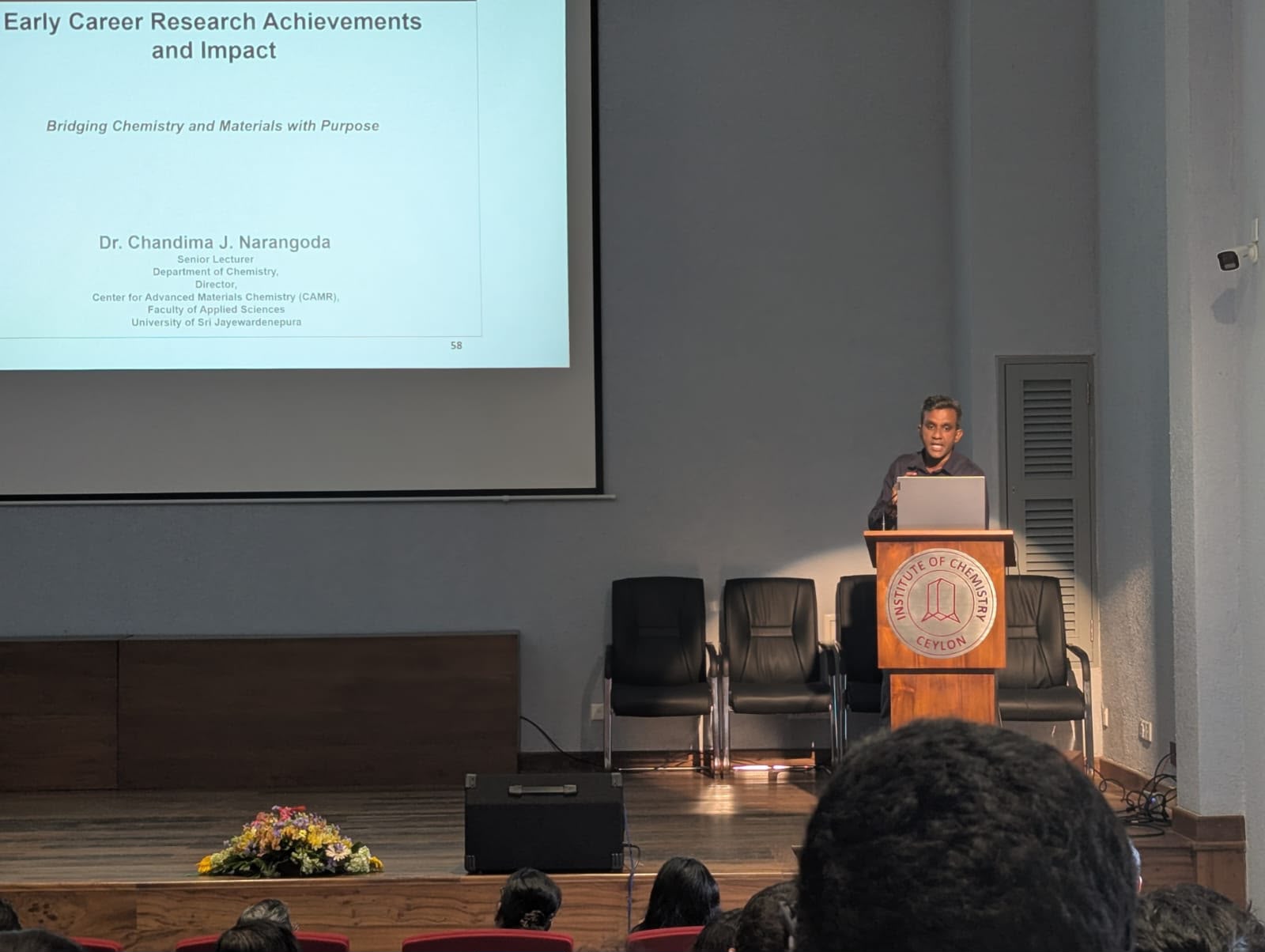
Complementing the award ceremony, Dr. Narangoda delivered an invited lecture titled
“Early Career Research Achievements and Impact,”
Sharing insights into the journey of building a research group, establishing research priorities aligned with sustainable development, and fostering collaborative networks across local and international institutions. The presentation highlighted the importance of translating fundamental research into practical solutions for industrial and environmental challenges.
Dr. Narangoda presenting on ‘Early Career Research Achievements and Impact: Bridging Chemistry and Materials with Purpose’ at the 55th Annual Sessions of the Institute of Chemistry Ceylon.
Recognition of Collaborative Research
A significant aspect of Dr. Narangoda’s recognition is the collaborative nature of his research. Many publications feature contributions from undergraduate and postgraduate students at the department of chemistry, including Research Assistants at CAMR. His research with international collaborators, including partnerships with Deakin University’s Institute for Frontier Materials (IFM) on carbon fiber recycling and surface modification, demonstrates the value of building research networks that extend beyond institutional boundaries.
Significance for the Department and Faculty
This award underscores the Faculty of Applied Sciences’ commitment to research excellence and innovation. The Department of Chemistry continues to support faculty research through infrastructure, funding mechanisms, and collaborative opportunities that enable world-class research contributions.
“Dr. Narangoda’s achievement reflects the caliber of research being conducted at our faculty,” noted departmental leadership. “His work exemplifies how rigorous academic research can address real-world challenges in materials science, sustainability, and industrial applications and areas critical to Sri Lanka’s development agenda.”
Looking Forward
As Director of CAMR, Dr. Narangoda continues to expand the research group’s capacity and scope. Ongoing initiatives include scaling industrial applications of developed technologies, establishing new collaborative partnerships, and mentoring the next generation of chemistry researchers.
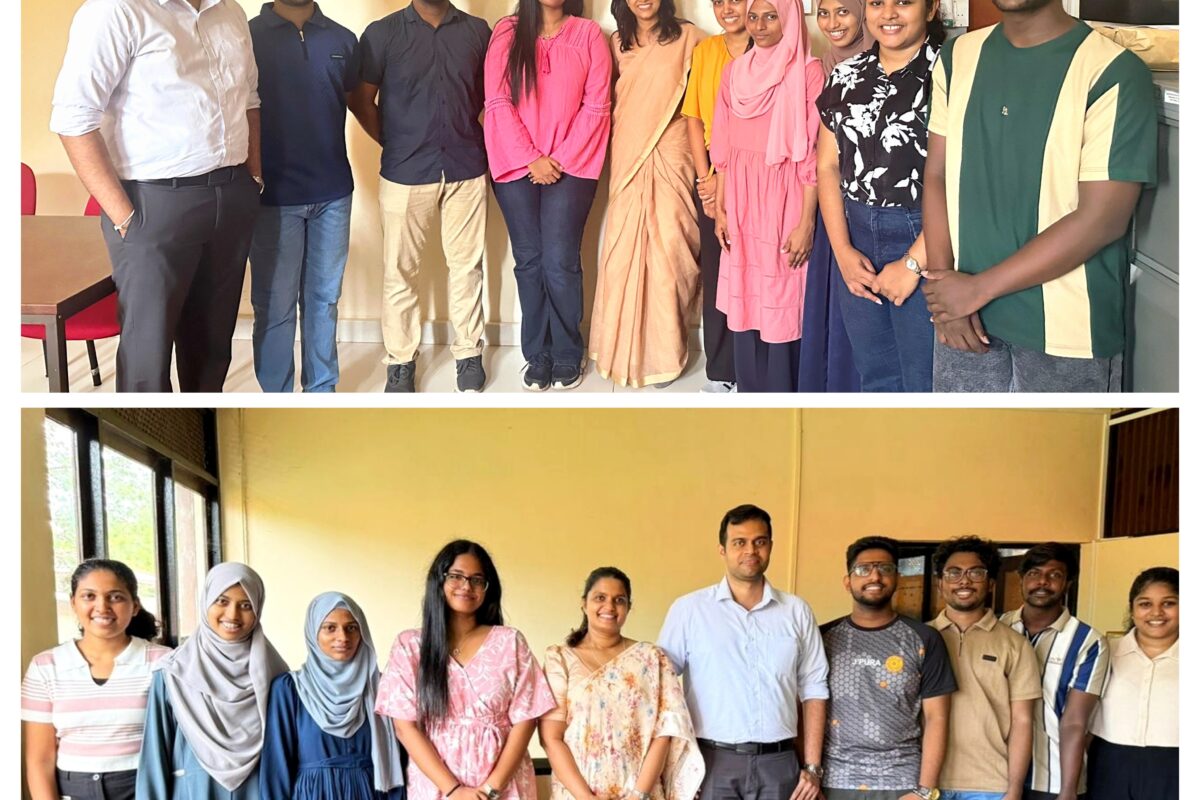
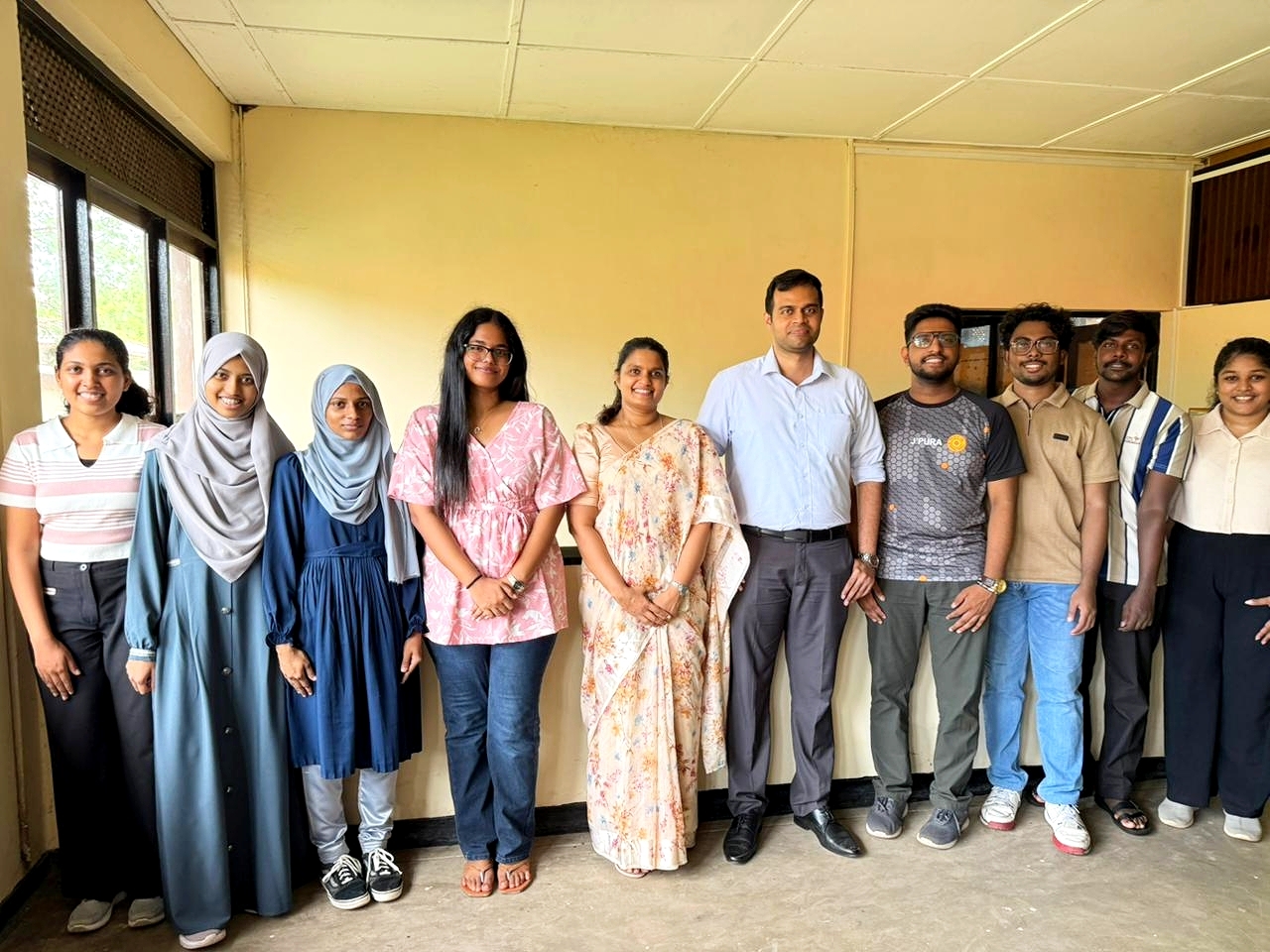
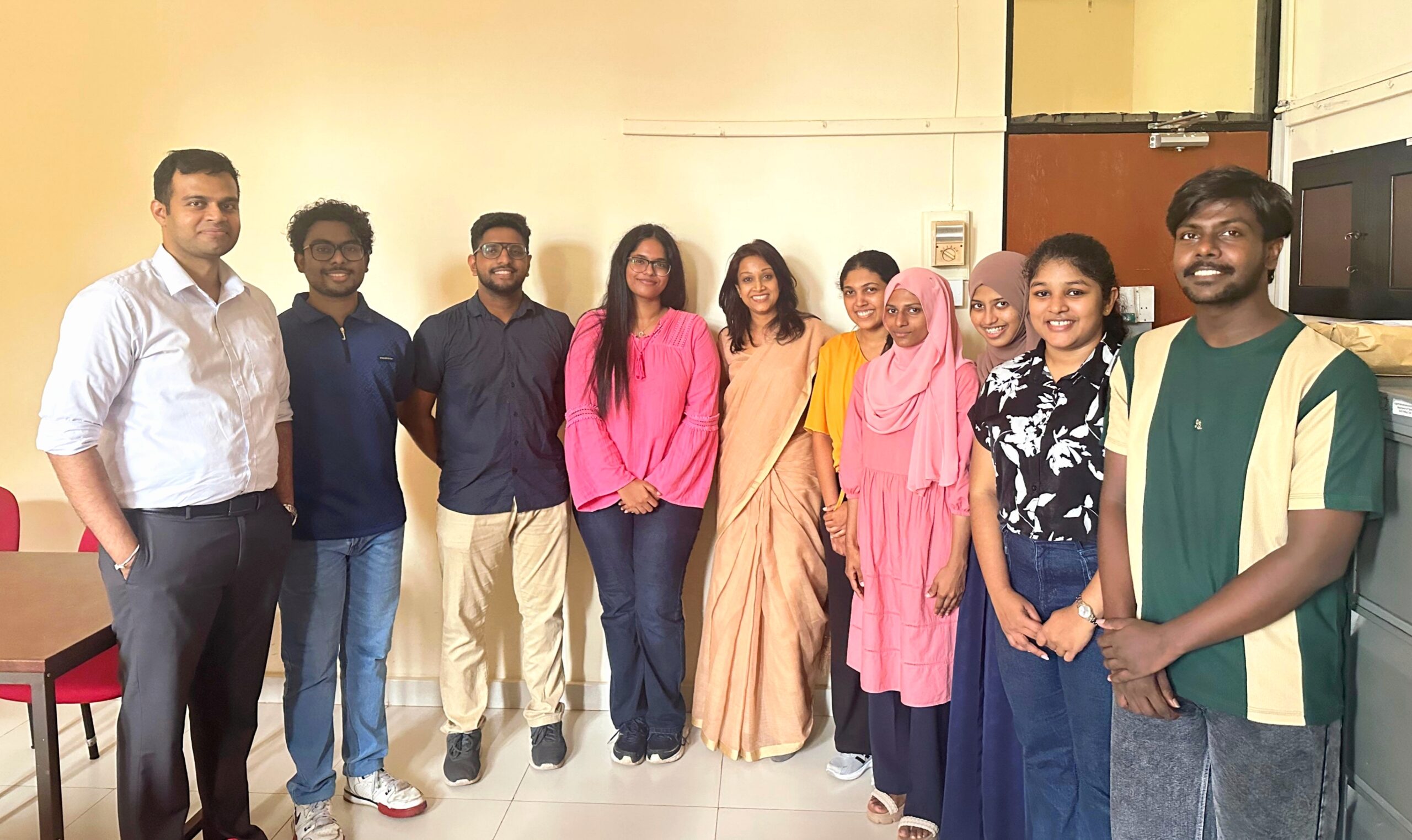
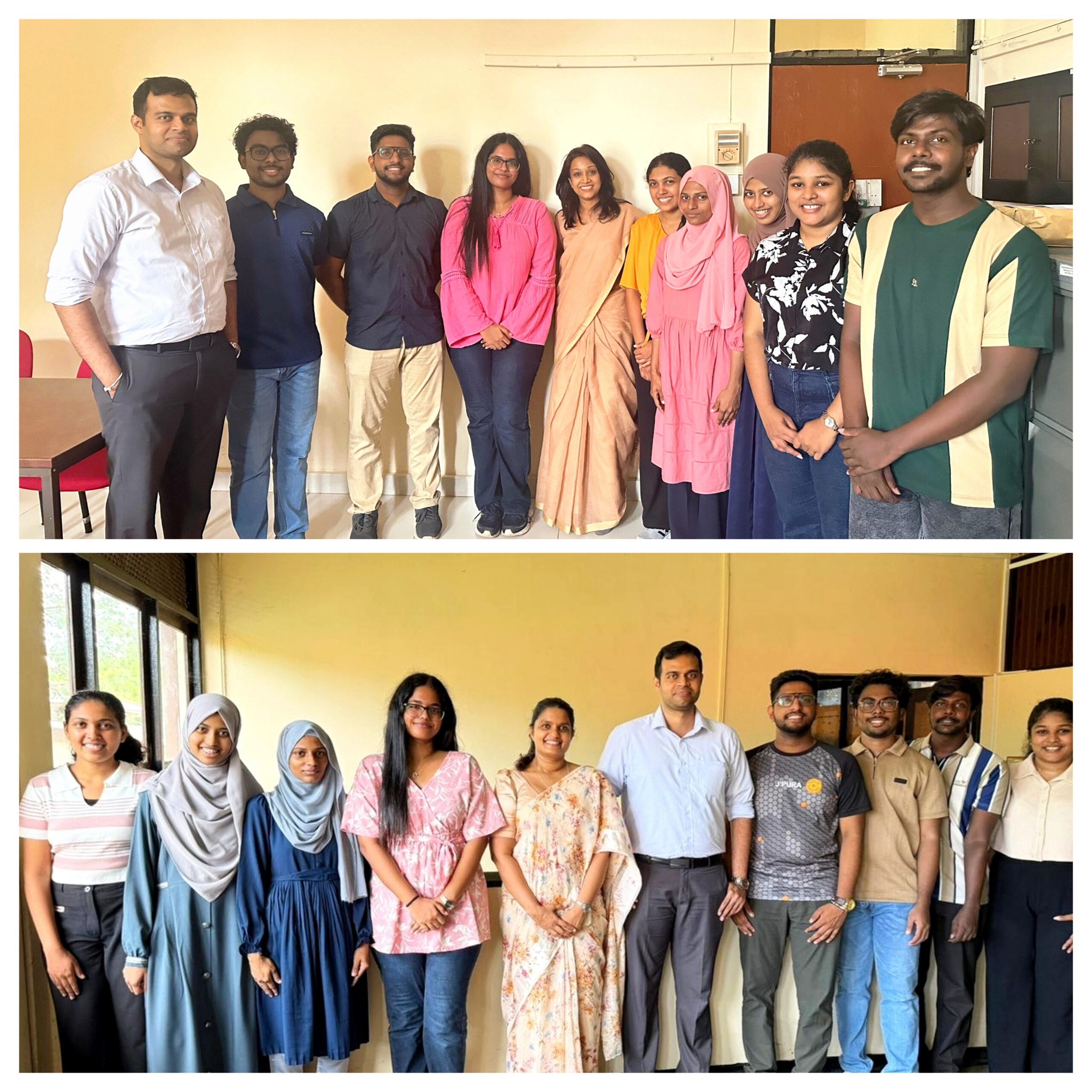
A team representing the University of Sri Jayewardenepura participated in the Annual Inter- University Debate Competition, organised by the Institute of Chemistry Ceylon (IChem) on 21st May 2026 at the IChem premises in Malabe, and emerged as runners-up.
The team comprised students spanning all four academic years from the Faculty of Applied Sciences: Tharindu Mahendra, Wehara Gunawardena, Sathmi Jayawardena, Hrithika Sarvodayan, Aqeela Ahzim, Sasindu Palihawadane, Hajara Mufeeq, and Bhanuka Samansooriya. They competed against four teams representing the University of Rajarata, the College of Chemical Sciences, the University of Kelaniya, and the University of Jaffna.
The competition was conducted using the league method, where each team debated against all other teams. USJP secured victories in three of their four debates and tied with the College of Chemical Sciences; however, the College of Chemical Sciences won the tiebreaker by acquiring the leading marks on the scoreboard. Consequently, the College of Chemical Sciences was crowned champions of the tournament, while the University of Kelaniya came in as second runners-up.
The team expressed their gratitude to their Lecturer-in-Charge, Dr. Samindi M. Jayawickrama, the Head of the Department of Chemistry, Prof. Theshini Perera, and the Lecturer of the Chemistry Department, Dr. Dumindu P. Siriwardena, for their unwavering guidance and support throughout the practice sessions and on the day of the competition. They also thanked their past debating captain, Avishka Thathsara, for his coordination and invaluable mentorship throughout the process. Special thanks were extended to Maneesha Fernando for her valuable contributions during Zoom practice sessions, and appreciation was expressed to all lecturers in the Department of Chemistry for their encouragement and support. The team further appreciated the Chairperson of the Inter-University Debating Committee and the Institute of Chemistry Ceylon for providing them with the opportunity to showcase their skills and engage in intellectual discussions as young scientists.