Practical Module in Siviculture, Ecology and Forest Mensuration

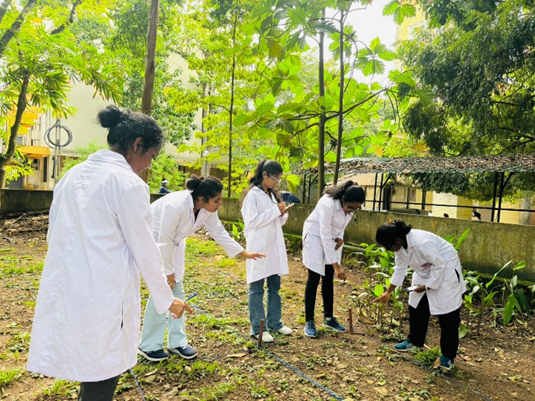
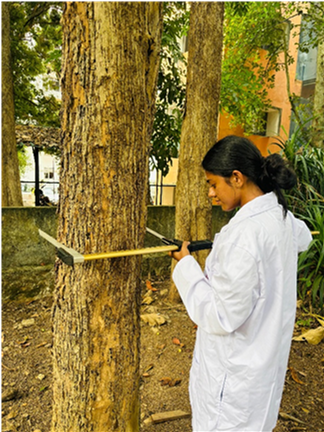
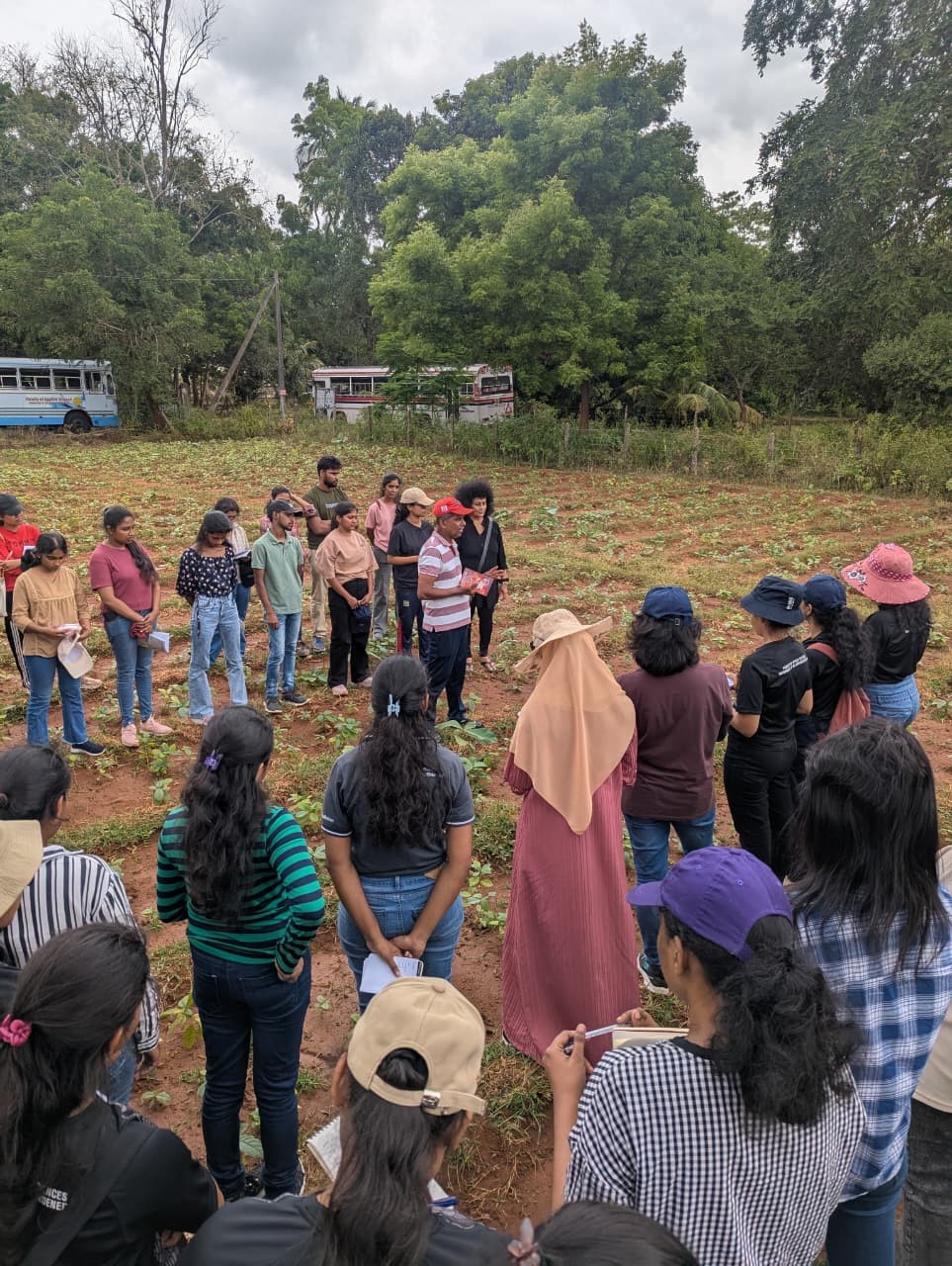
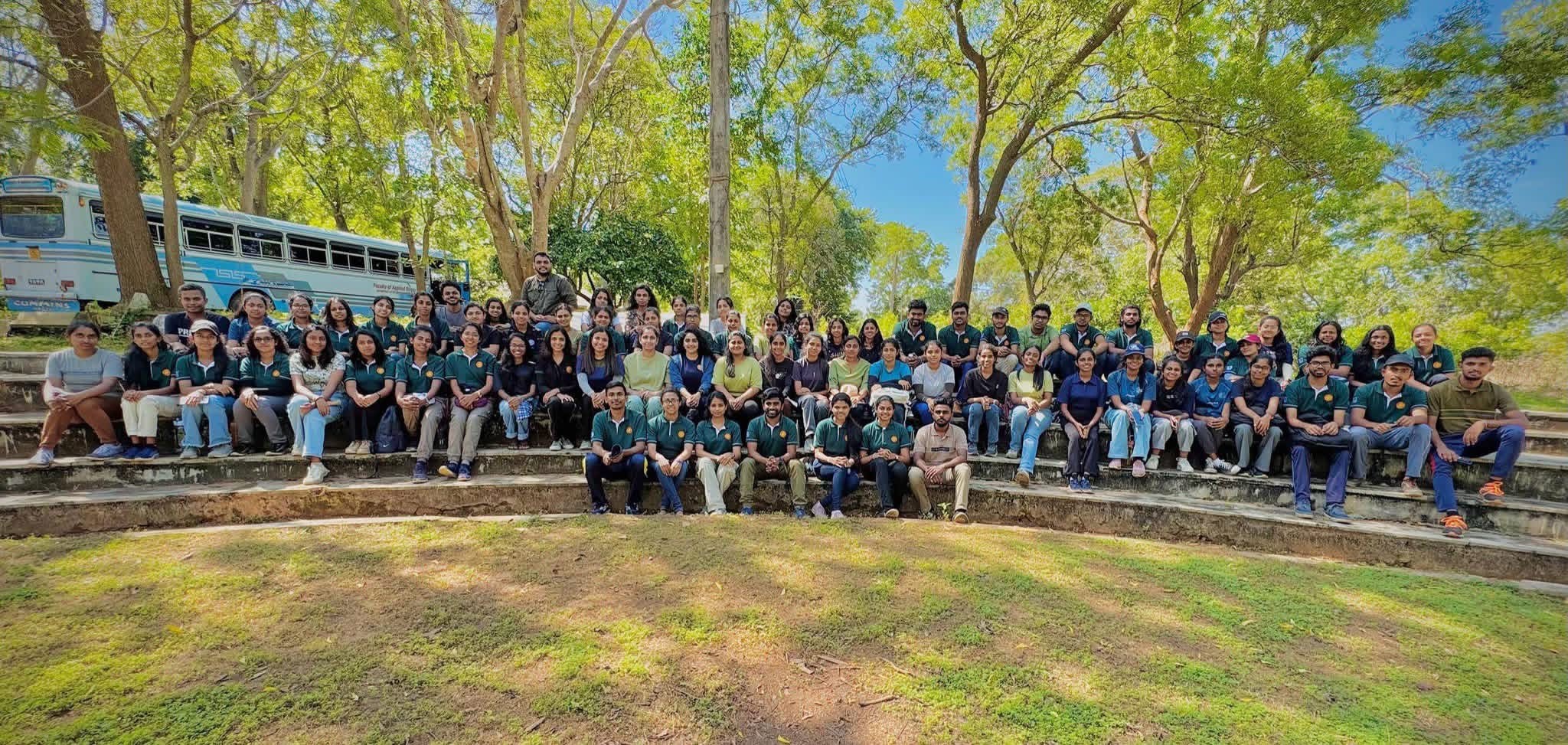
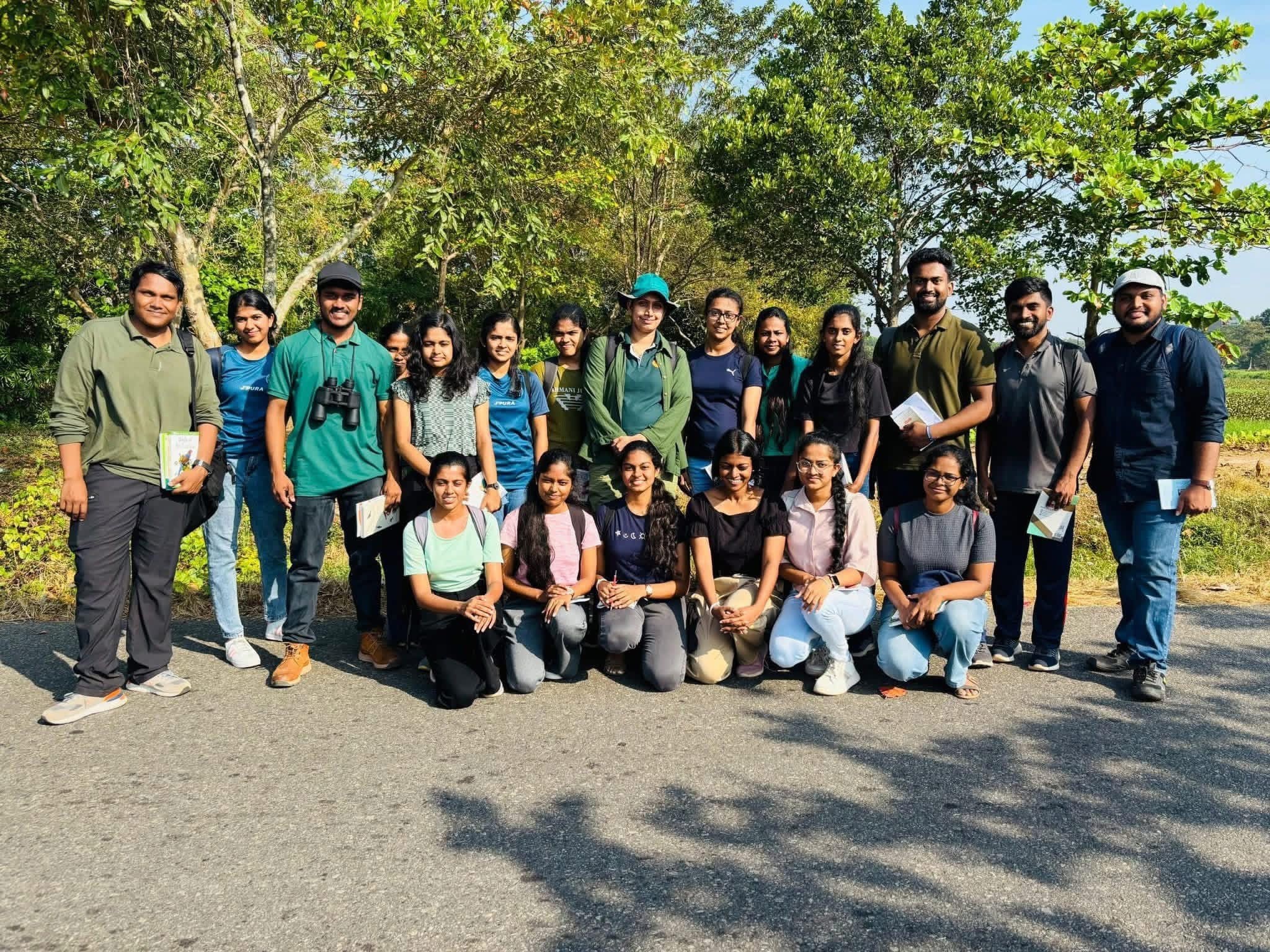
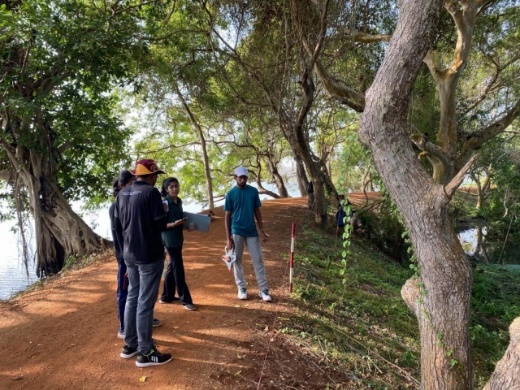
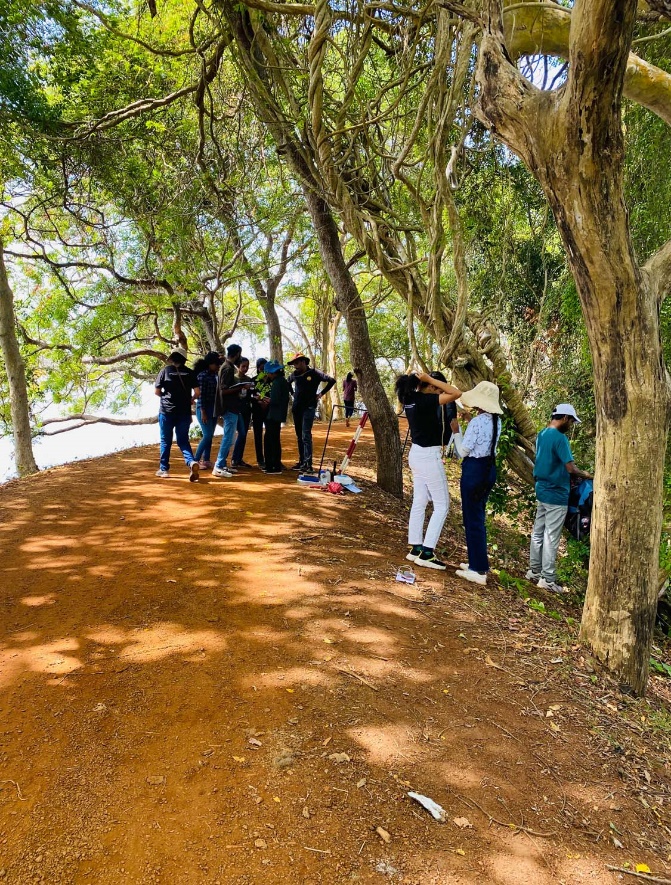
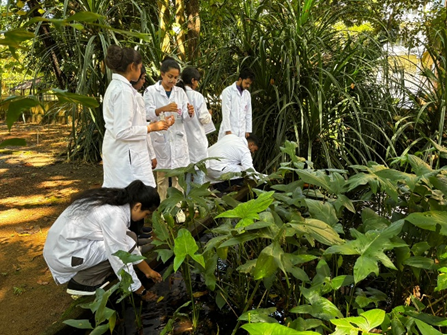
First-year students enrolled in the Practical Module in Silviculture, Ecology, and Forest Mensuration recently honed their skills through intensive field training. Led by dedicated faculty, participants conducted hands-on exercises in forest inventory, ecological assessments, tree measurement techniques, and silvicultural applications across diverse Sri Lankan forest sites.

This dynamic program bridged theory and practice, equipping students with tools for precise mensuration, habitat evaluation, and sustainable forest management. The experience ignited a passion for forestry science and environmental guardianship.
Principles and Practice of Silviculture

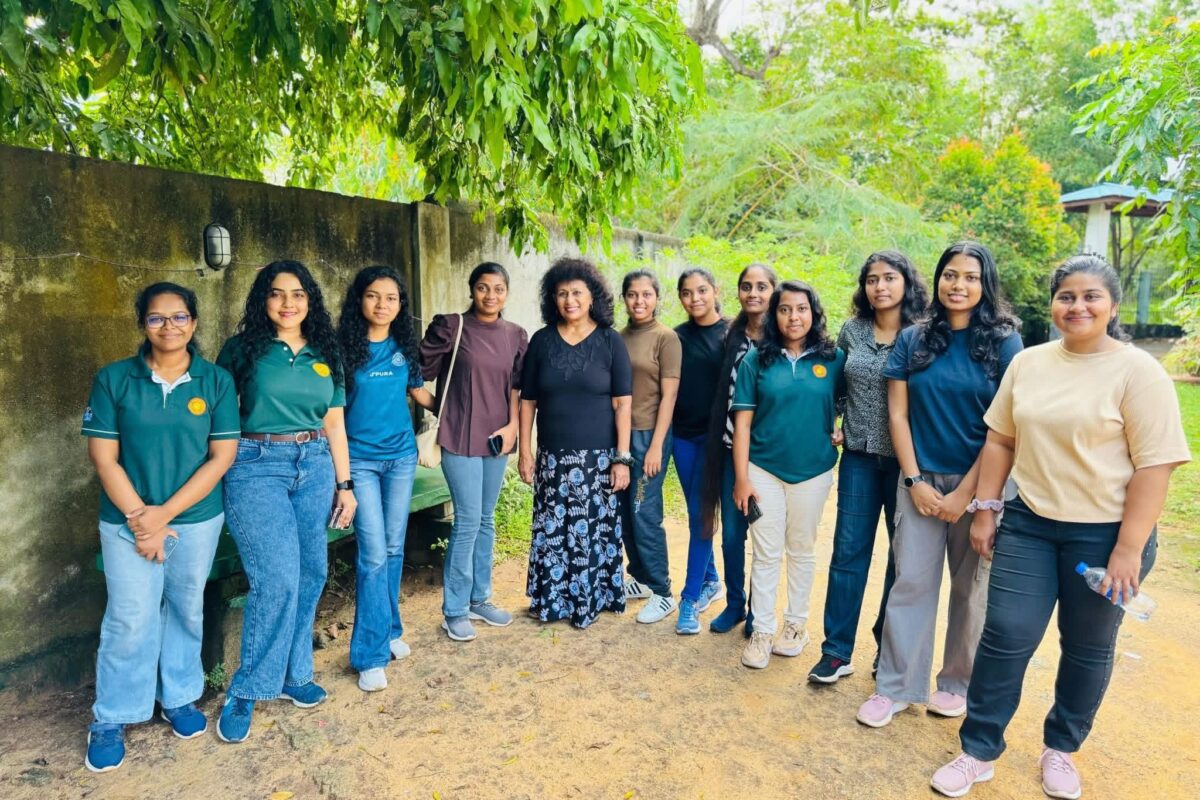
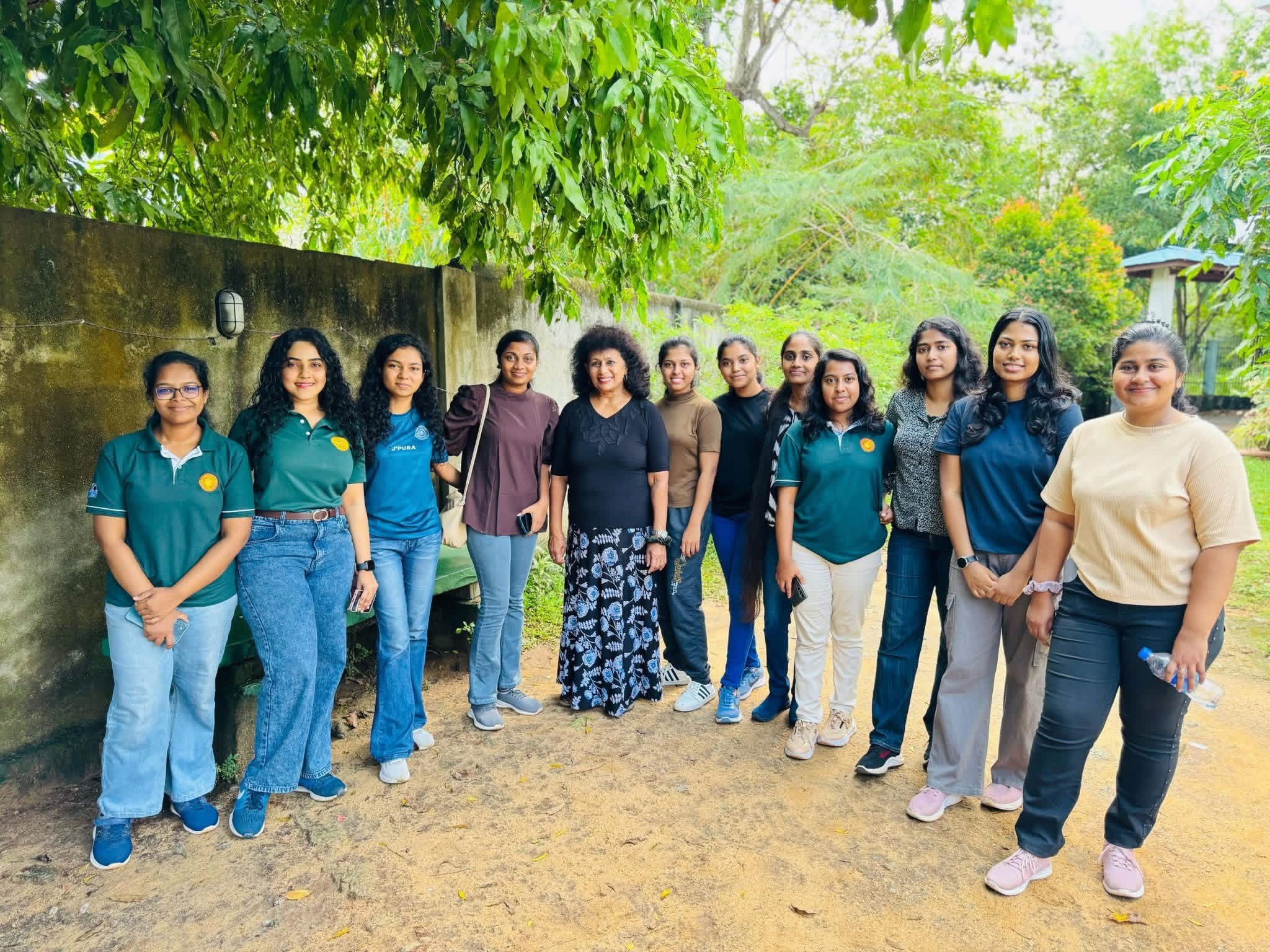
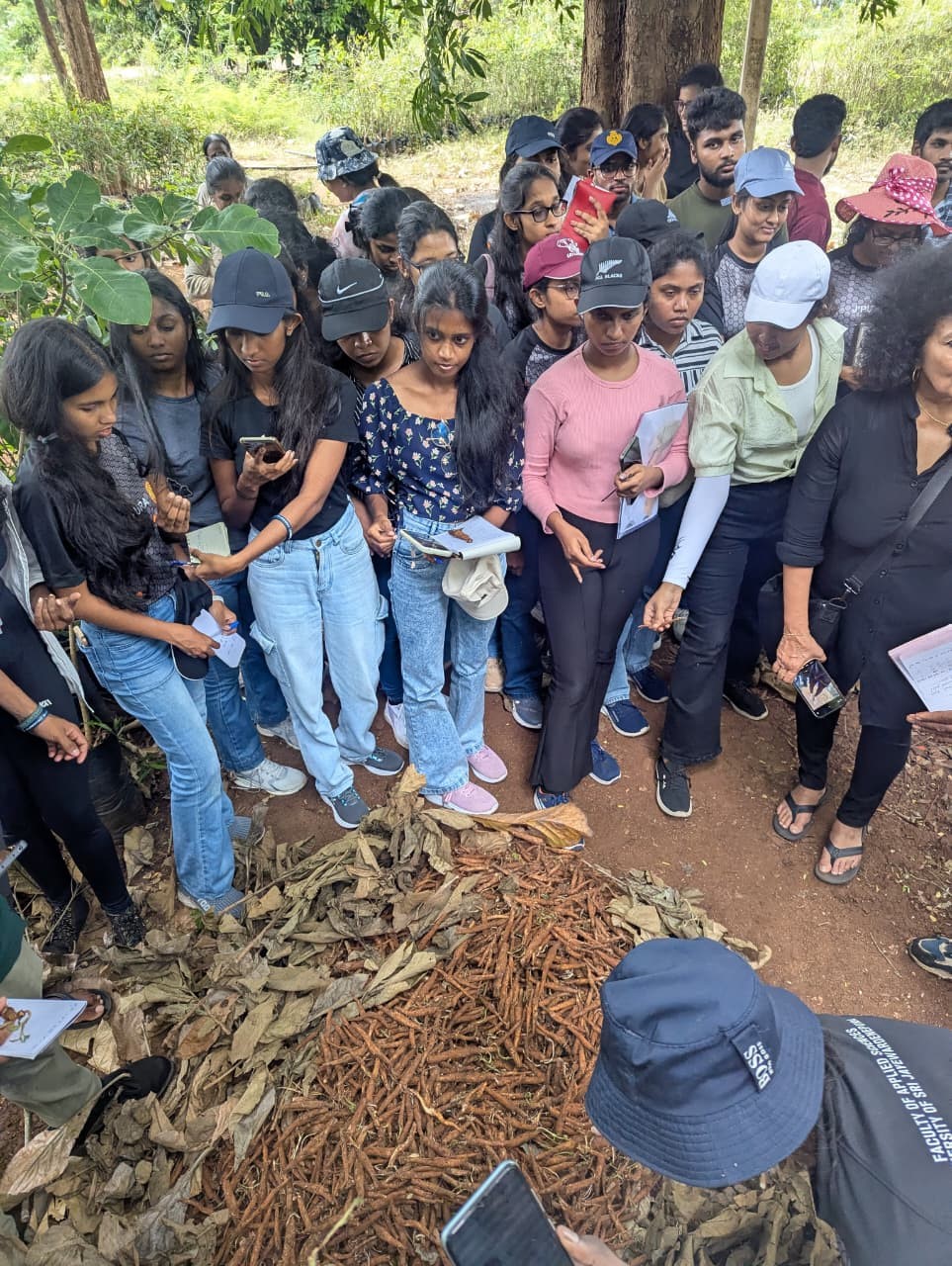
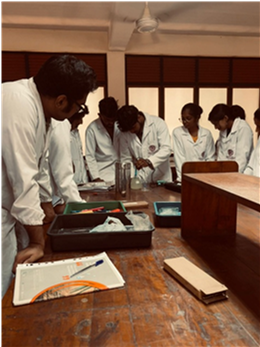
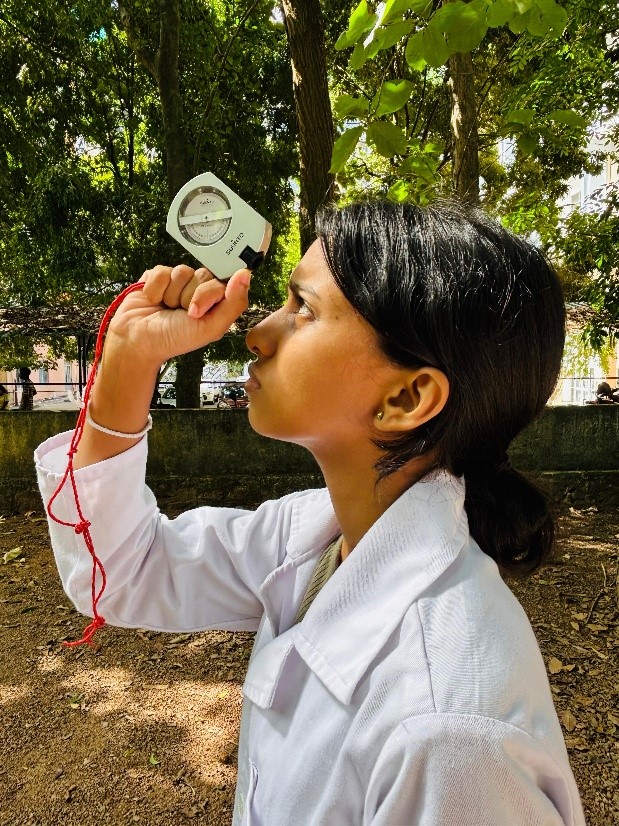
First-year students in Principles and Practice of Silviculture gained invaluable hands-on experience during recent field classes, expertly led by Snr. Prof. Hemanthi Ranasinghe. The sessions immersed participants in forest management techniques, tree planting demonstrations, site assessments, and sustainable silvicultural practices across key Sri Lankan woodland sites.
Through active fieldwork, students applied classroom concepts to real-world scenarios, learning about species selection, stand improvement, and ecosystem restoration. These outings sparked enthusiasm for forestry innovation and responsible land stewardship.

Principles of Wildlife Ecology at Lunugamwehera, Anawilundawa Sanctuary and Bellanwila Attidiya Wetland

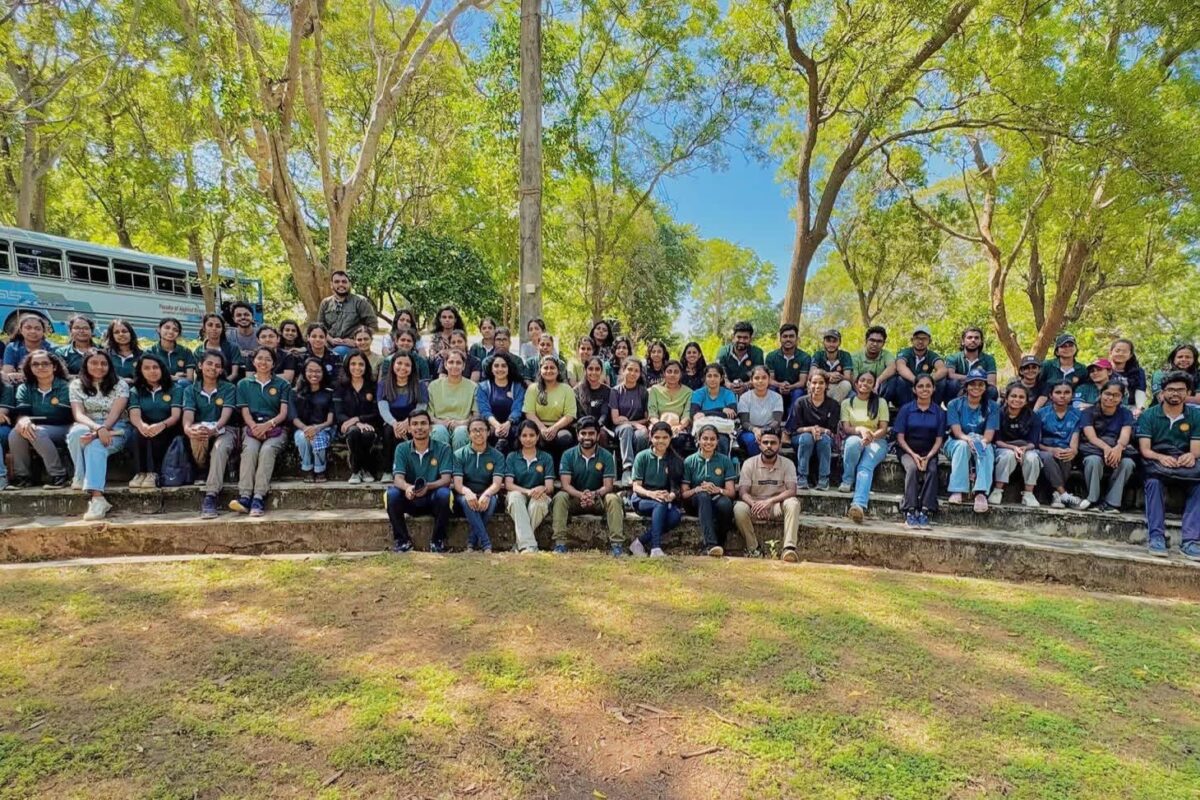
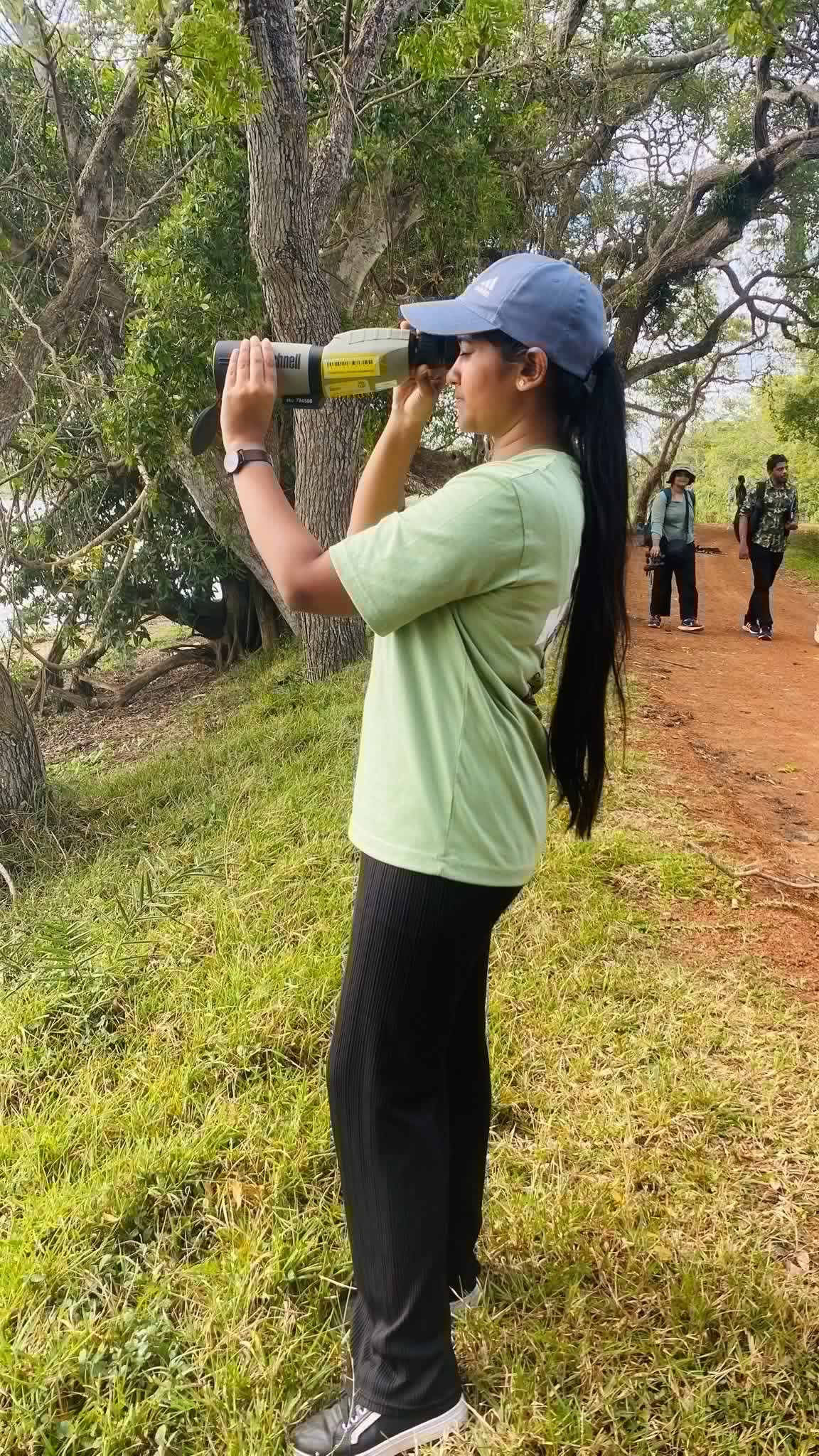
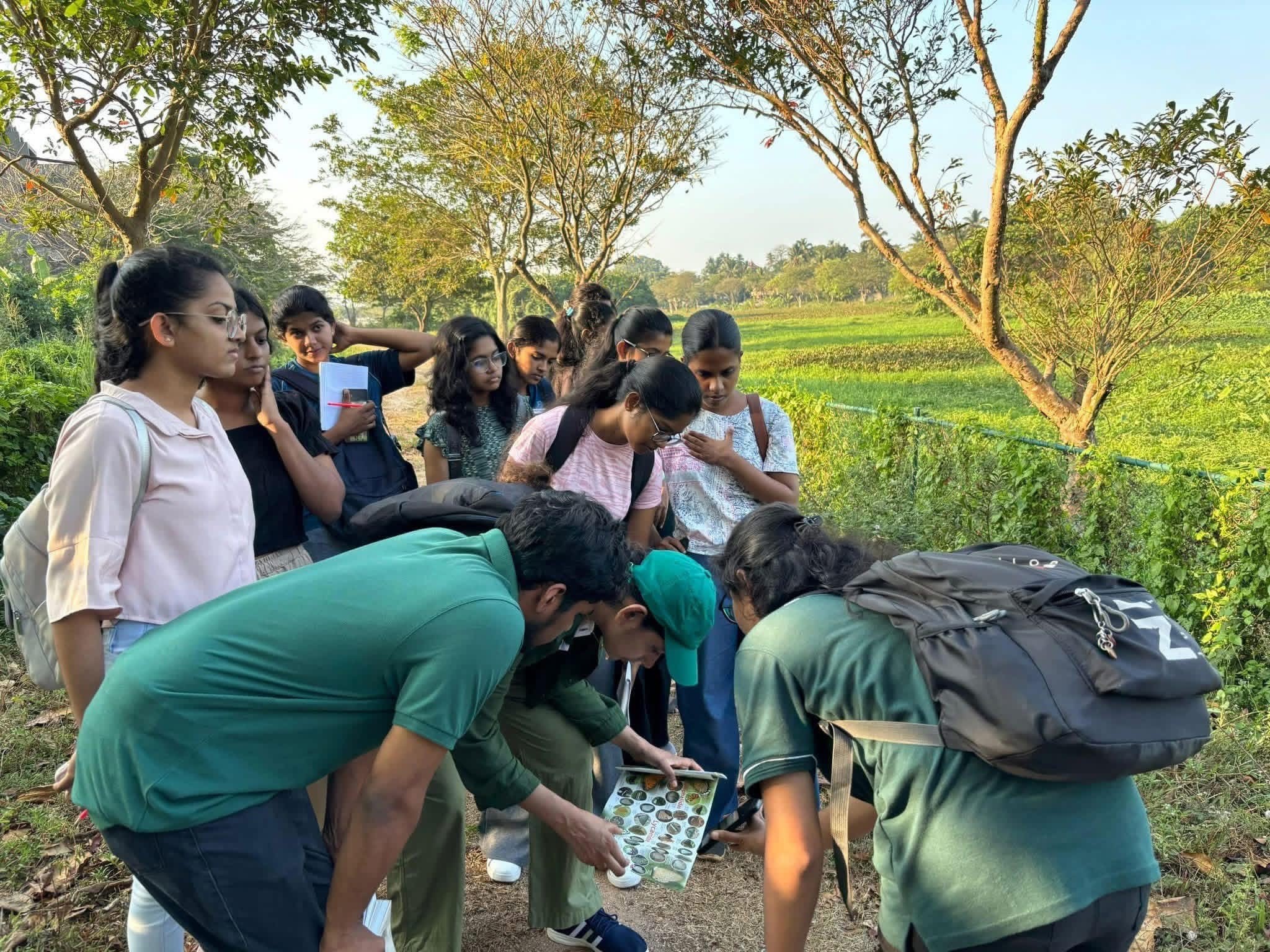
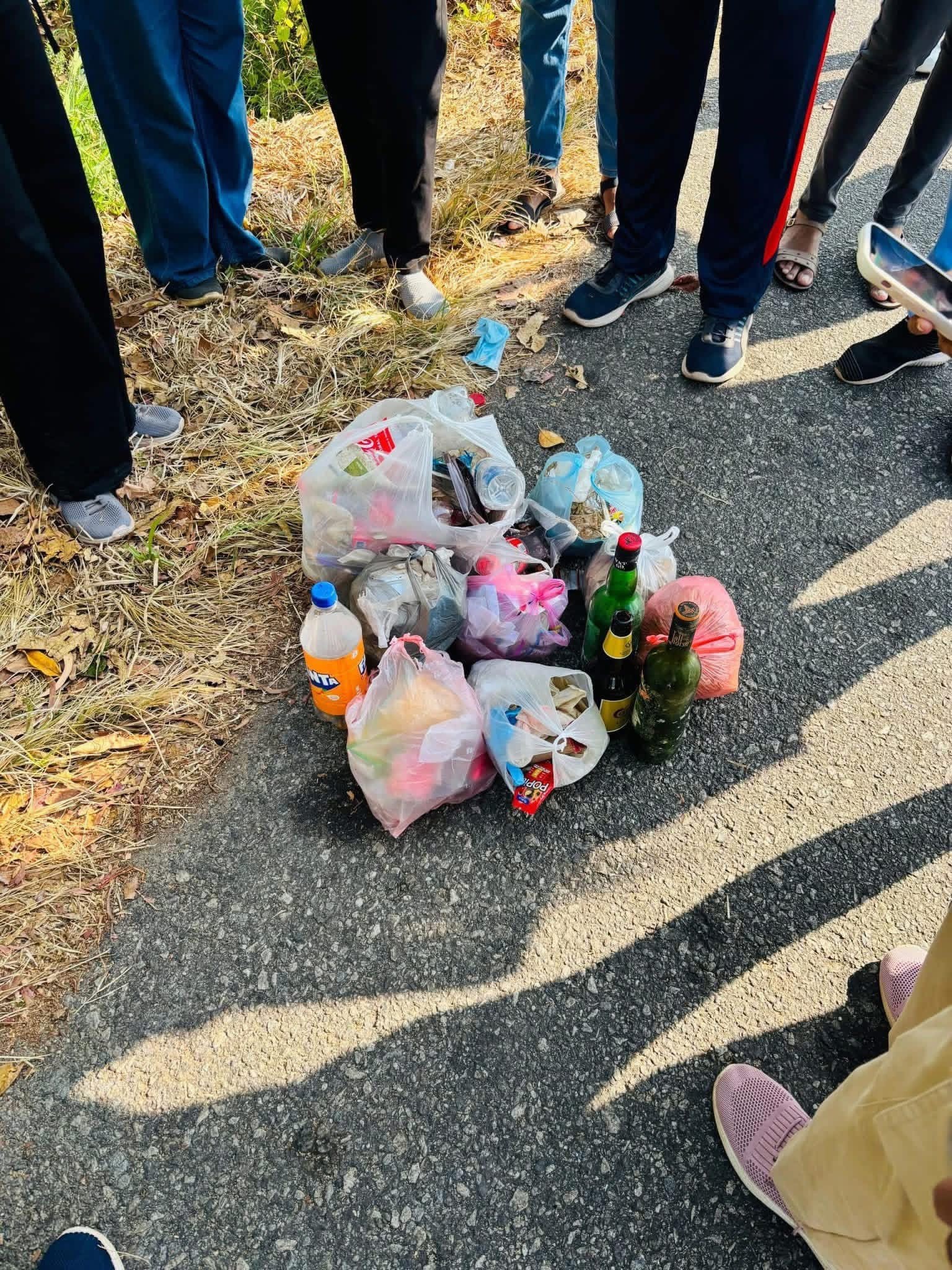
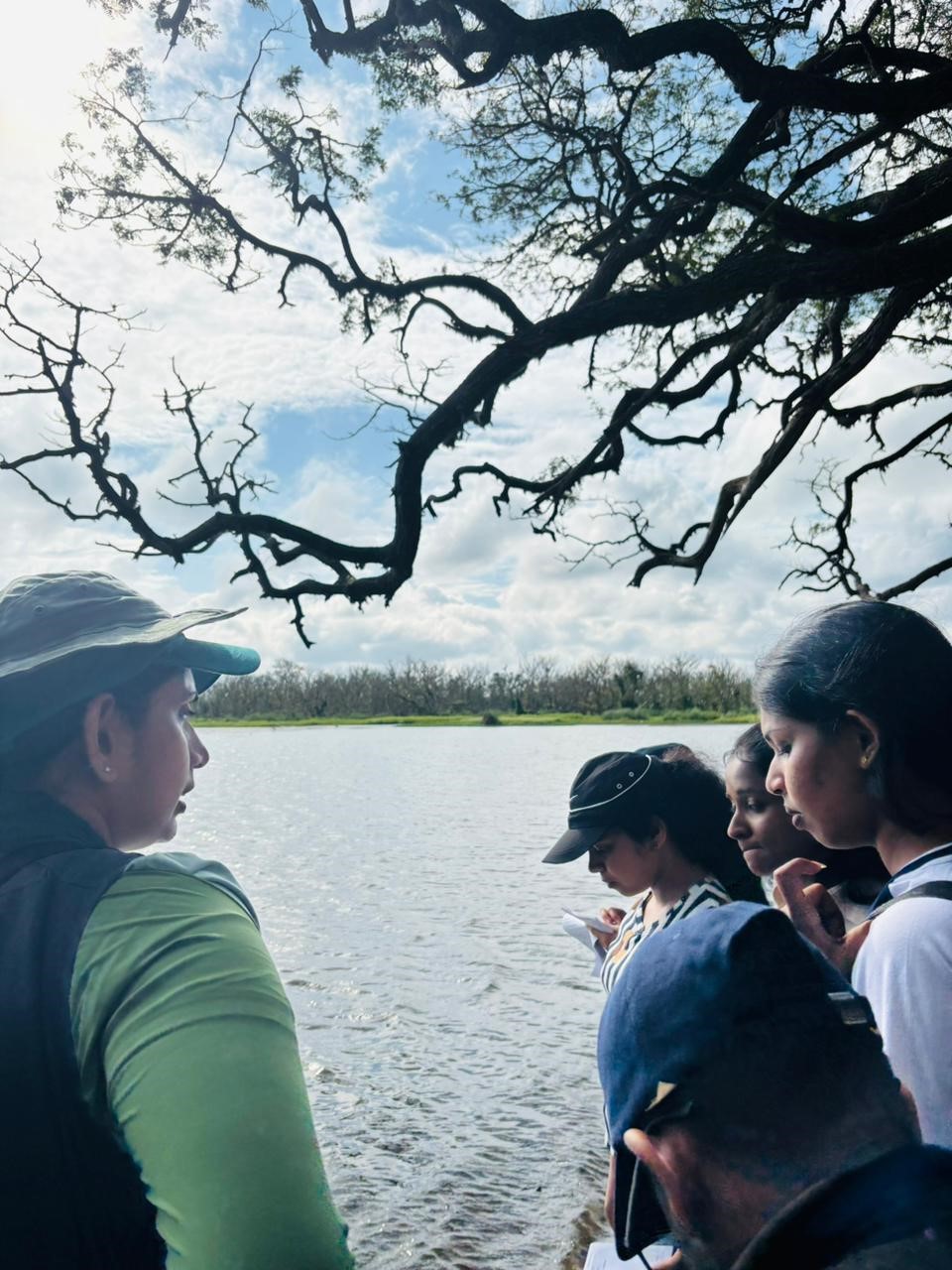
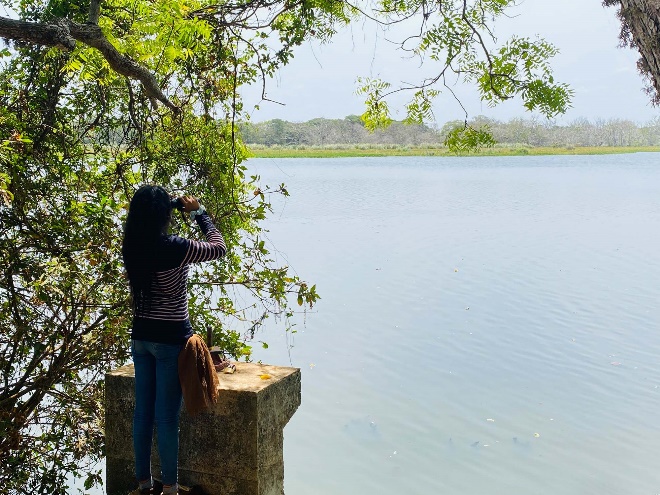
First-year students in Principles of Wildlife Ecology recently immersed themselves in real-world learning during field classes at Lunugamvehera National Park, Anawilundawa Sanctuary, and Bellanwila-Attidiya Wetland Reserve. Under the guidance of Dr. Sandali Dissanayake, participants collected scientific data, conducted birdwatching surveys, joined a community cleanup session, and explored core principles of wildlife ecology, conservation, and management practices.
These dynamic outings bridged classroom theory with practical skills, fostering a deeper understanding of habitat dynamics, biodiversity monitoring, and sustainable stewardship in Sri Lanka’s vital ecosystems. Students returned inspired, equipped to tackle real conservation challenges.

Wildlife conservation and management at Anawillundawa wetland sanctuary

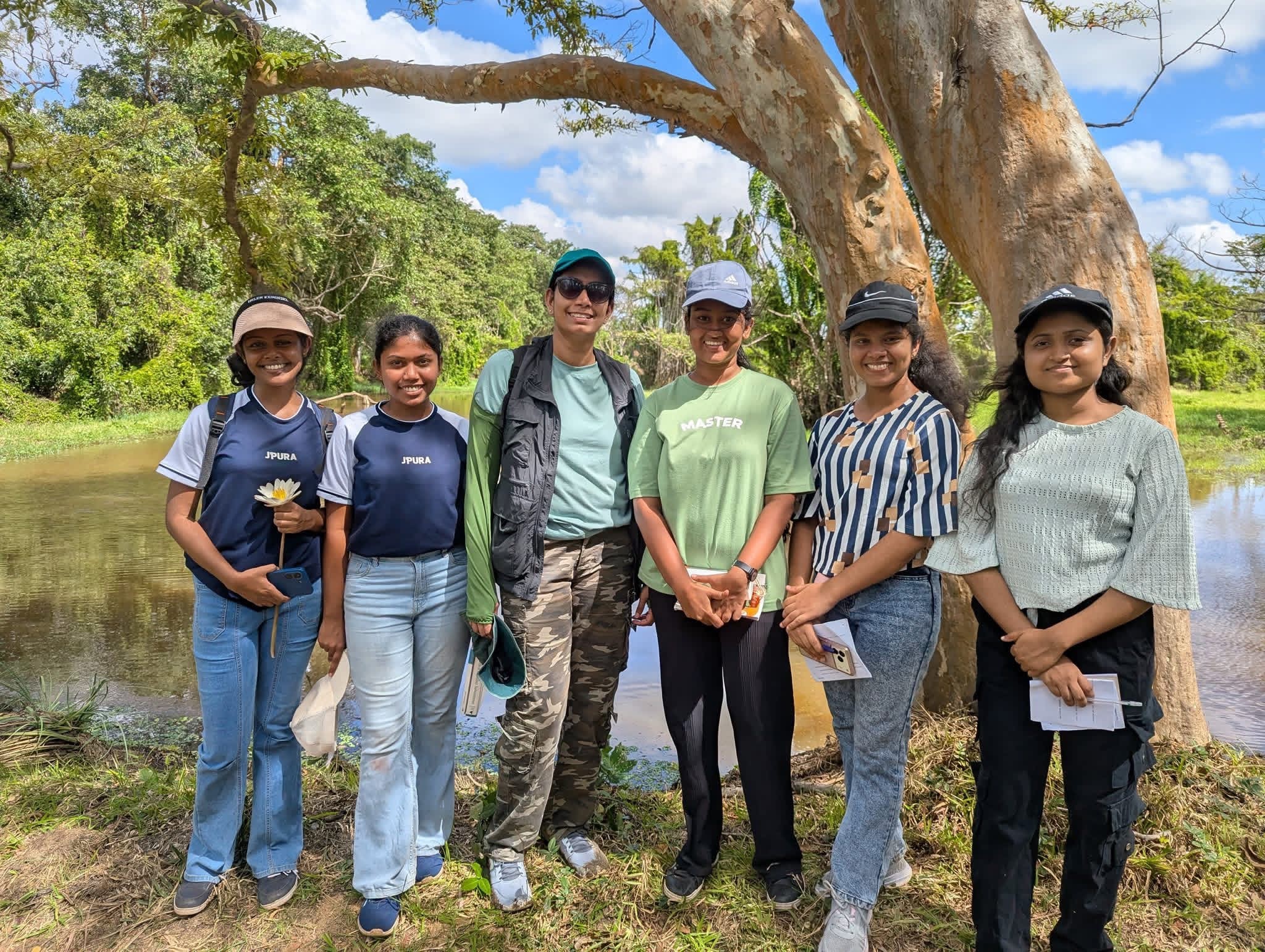
Dr. Hasitha Karawita, a visiting lecturer, led 3rd-year undergraduate students from the Department of Forestry and Environmental Science on a practical field visit to Anawillundawa Wetland Sanctuary.

The hands-on experience included Transect Sampling, measuring abiotic factors, and becoming acquainted with tools like GPS loggers and densitometer for tree canopy density assessments The students also participated in species identification, including bird watching. To understand species-specific behavior, an ethogram for an individual bird species was constructed. Additionally, the students assessed threats to the ecosystem through stakeholder interviews, rounding off a comprehensive learning experience in wildlife conservation and management practices.