Demographic history and populationstructure of Phlebotomus argentipes (Diptera:Psychodidae) complex, the leishmaniasis vector in Sri Lanka

Published in: PLoS One

DOI: https://doi.org/10.1371/journal.pone.0337428

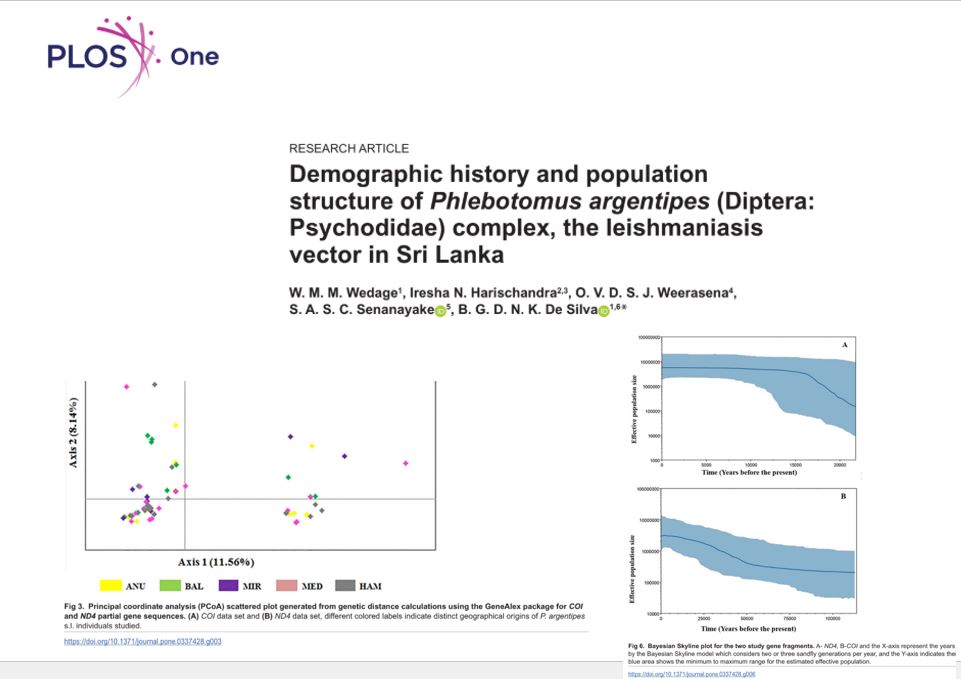
Phlebotomus argentipes sensu lato Annandale & Brunetti, 1908 is the primary vector of Leishmania donovani MON 37, the causative agent of cutaneous leishmaniasis (CL) in Sri Lanka. Effective vector control is essential for managing leishmaniasis. Although numerous taxonomic studies have been conducted on P. argentipes s.l., population genetics remains insufficiently explored. This study investigated the demographic history and population genetic structure of P. argentipes s.l. in Sri Lanka using sequence data obtained from the earlier investigation of two mitochondrial markers, Cytochrome c oxidase subunit I (COI) and NADH dehydrogenase subunit 4 (ND4). For the genetic analysis, 159 individuals from five leishmaniasis endemic sites were examined. In addition to the individual analyses of COI and ND4 genes, a concatenated dataset combining both mitochondrial fragments was constructed to evaluate overall genetic structure and demographic history. The population structure and demographic history of P. argentipes s.l. were assessed using FST estimates, AMOVA, structure analysis, Mantel test, PCoA, Bayesian inference and coalescent analysis. The highest FST value was 0.0271, indicating low genetic differentiation, with over 98% variation occurring within populations. Mantel tests showed weak, non-significant correlations between genetic and geographic distance, indicating no evidence of isolation by distance, suggesting potential gene flow and no distinct clustering within the Sri Lankan P. argentipes s.l. population. Negative and significant neutrality statistics, together with unimodal mismatch distributions, support historical population expansion, further corroborated by Bayesian skyline plots indicating two distinct demographic events, an ancient expansion around 50,000 years ago (COI) and a more recent one approximately 10,000–13,000 years ago (ND4). Additionally, the mismatch distribution analyses revealed a multimodal expansion pattern at the Medirigiriya and Hambantota sites, which are hot spots for leishmaniasis in Sri Lanka. The present study demonstrates a demographic expansion and genetic homogeneity of P. argentipes s.l. populations in Sri Lanka, supporting the species’ ability to colonize new areas and possibly enhance leishmaniasis transmission. This connectivity may facilitate the spread of adaptive traits such as insecticide resistance, even in the absence of local selection pressure, posing a potential challenge for future vector control efforts in Sri Lanka.

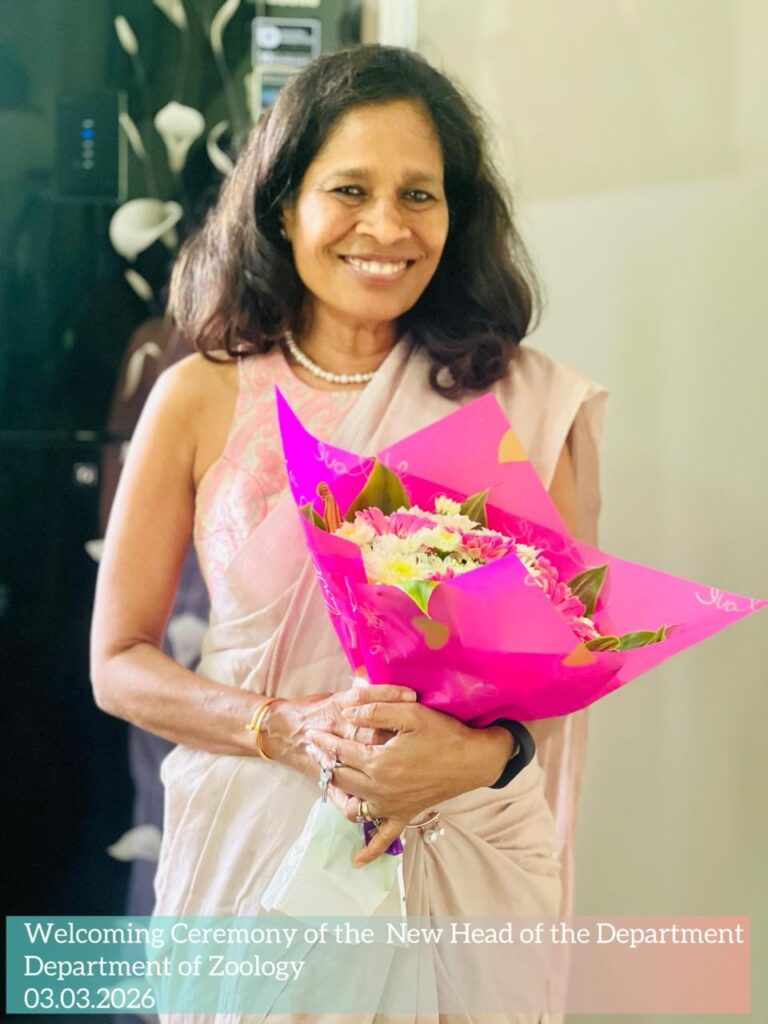
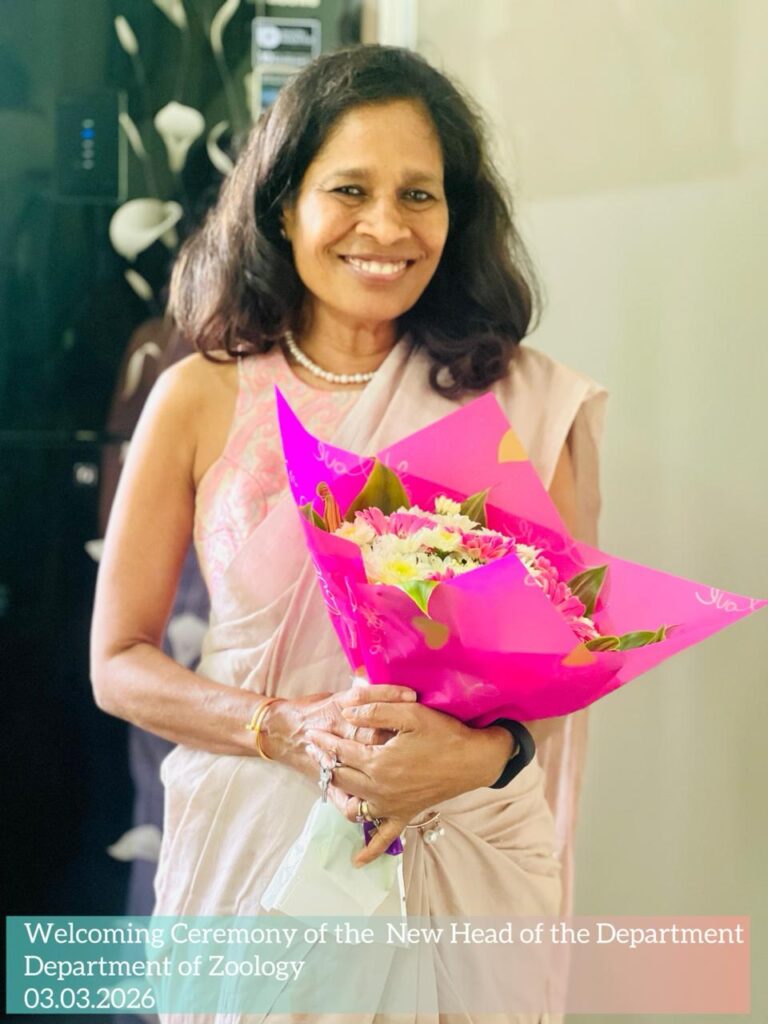
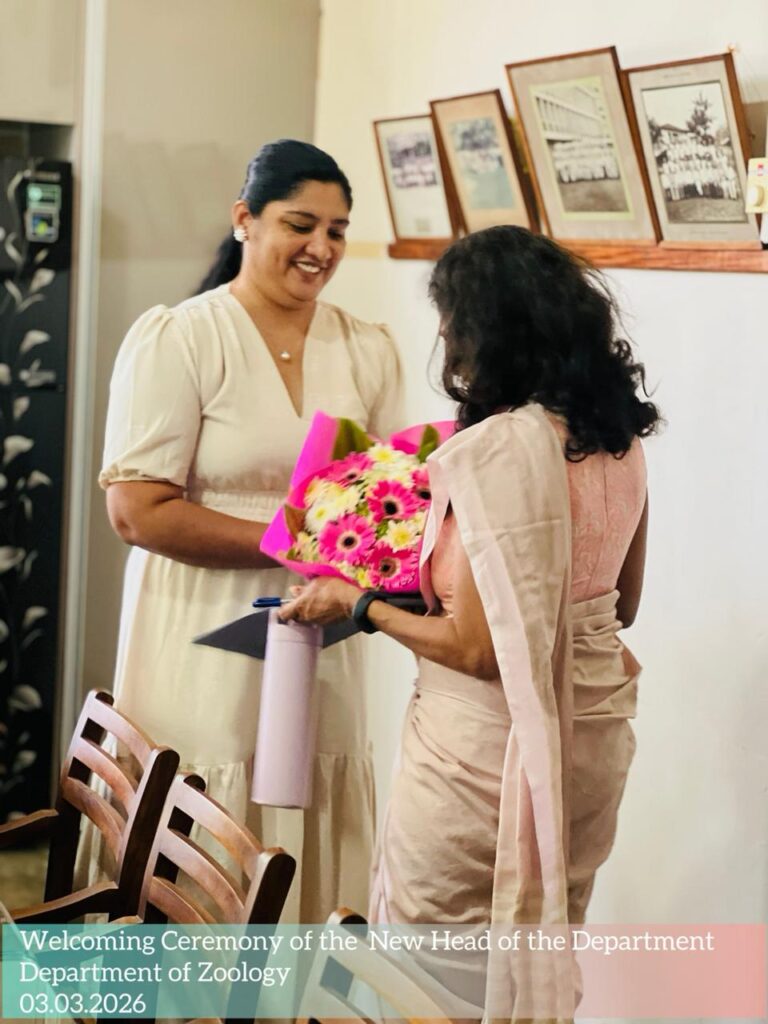
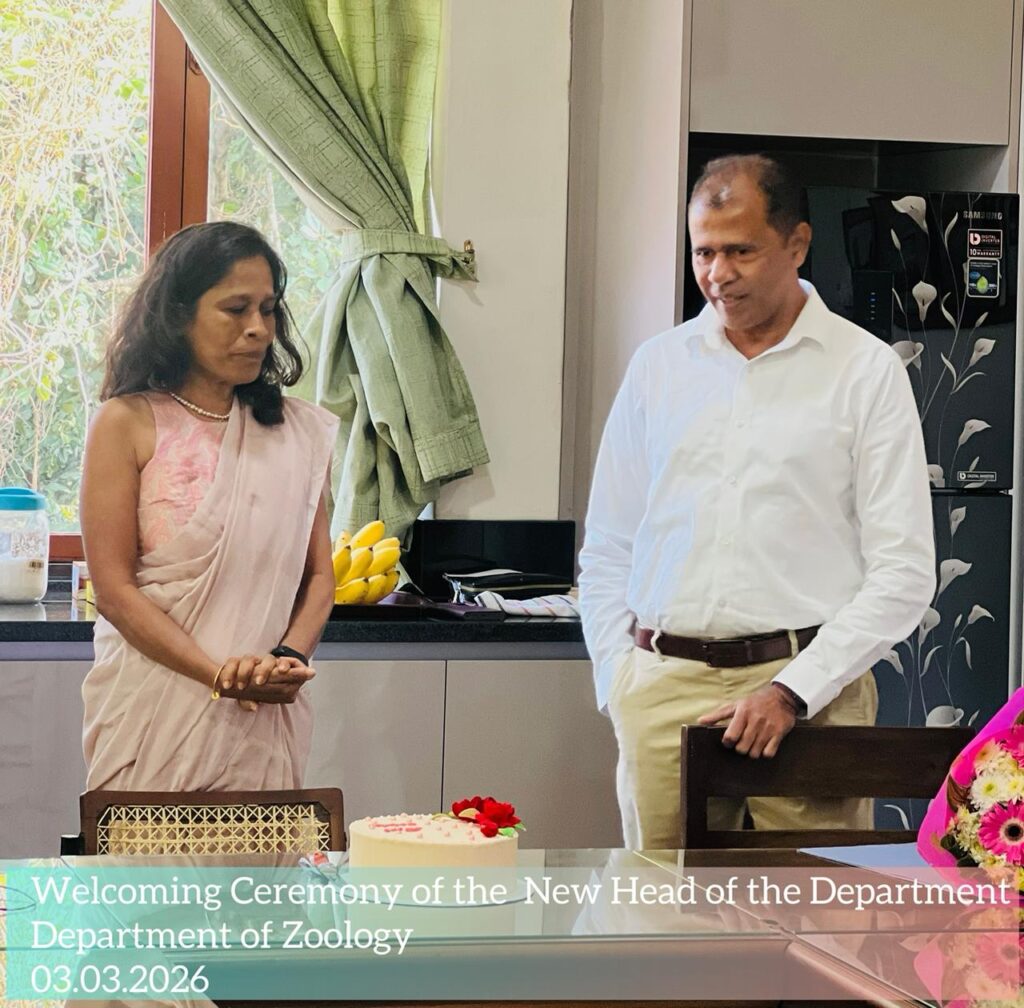
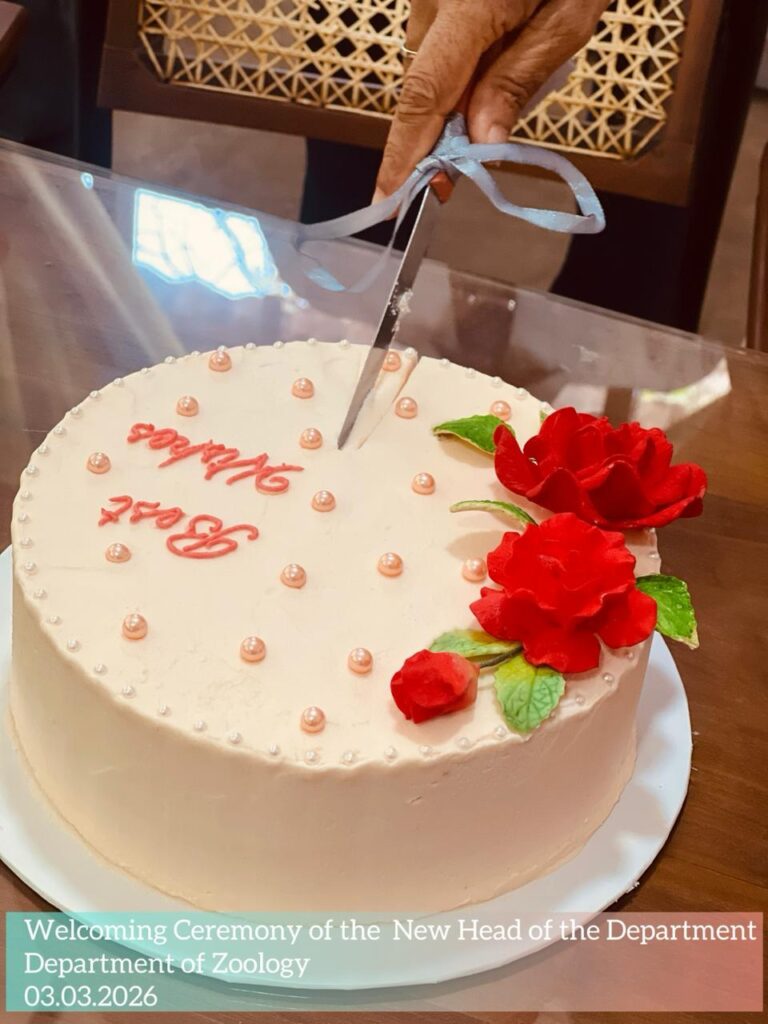
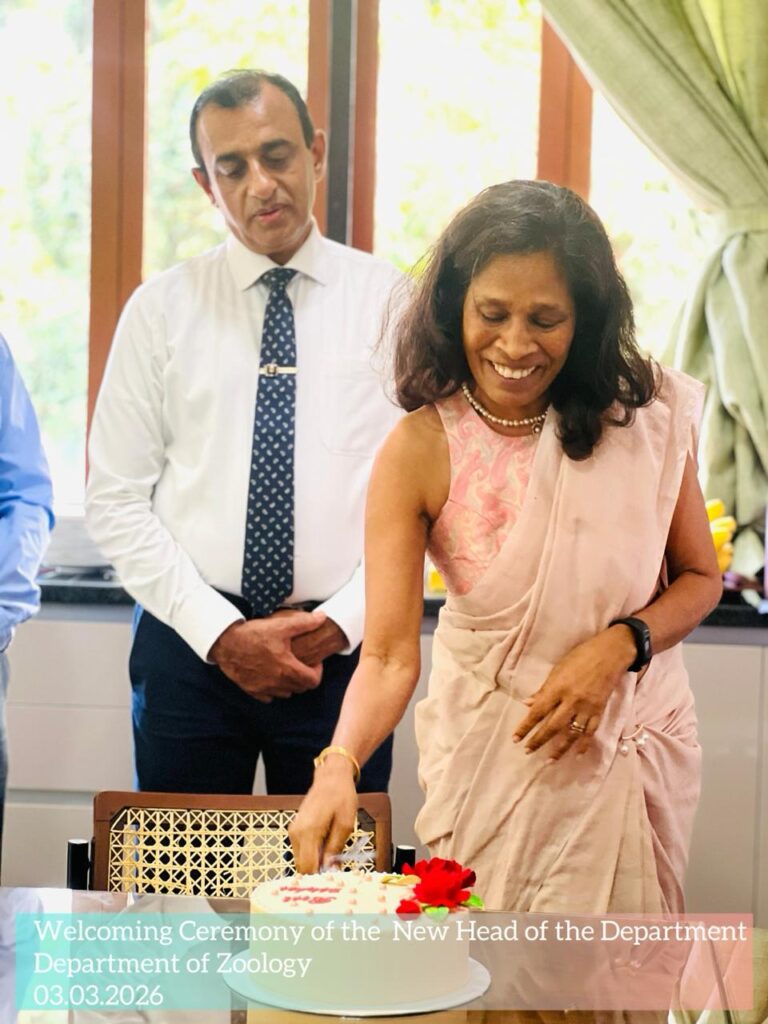
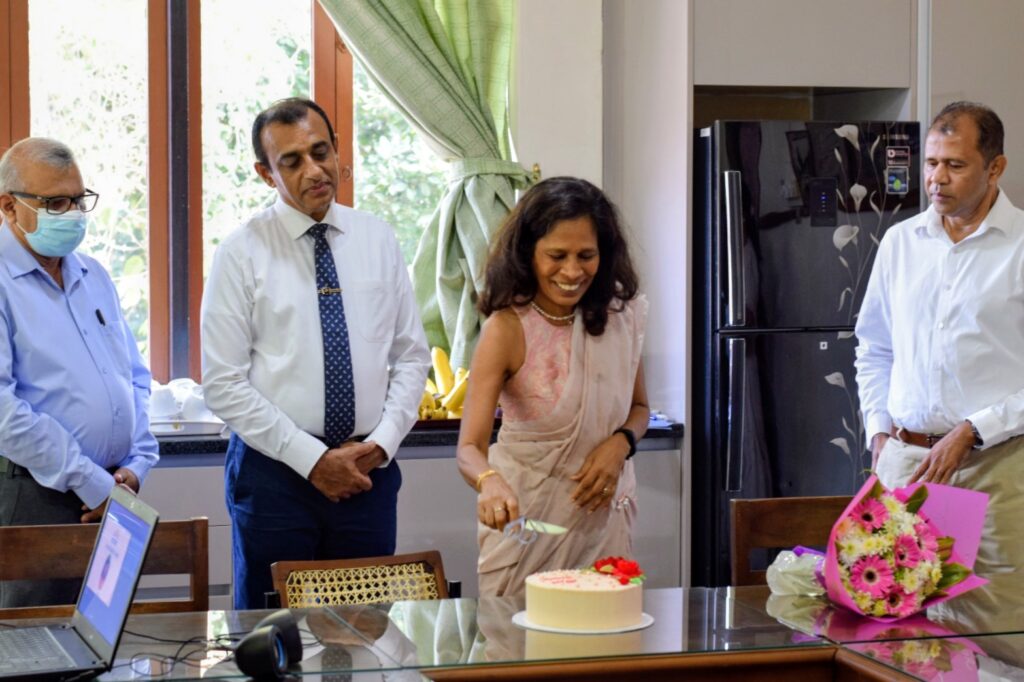
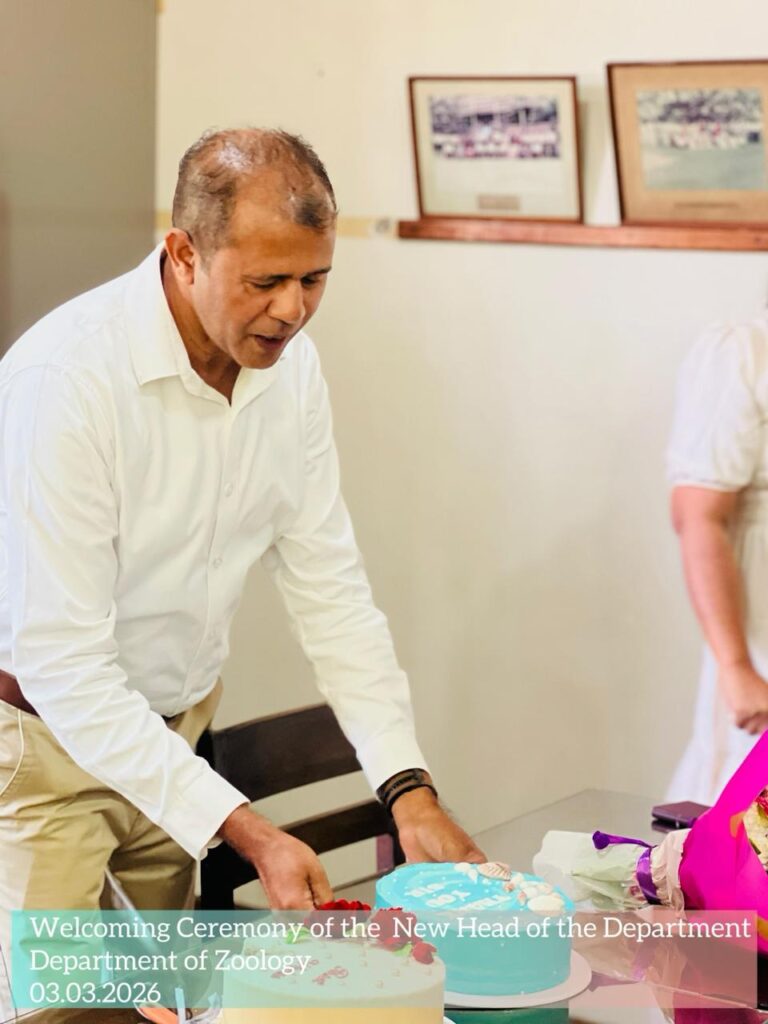
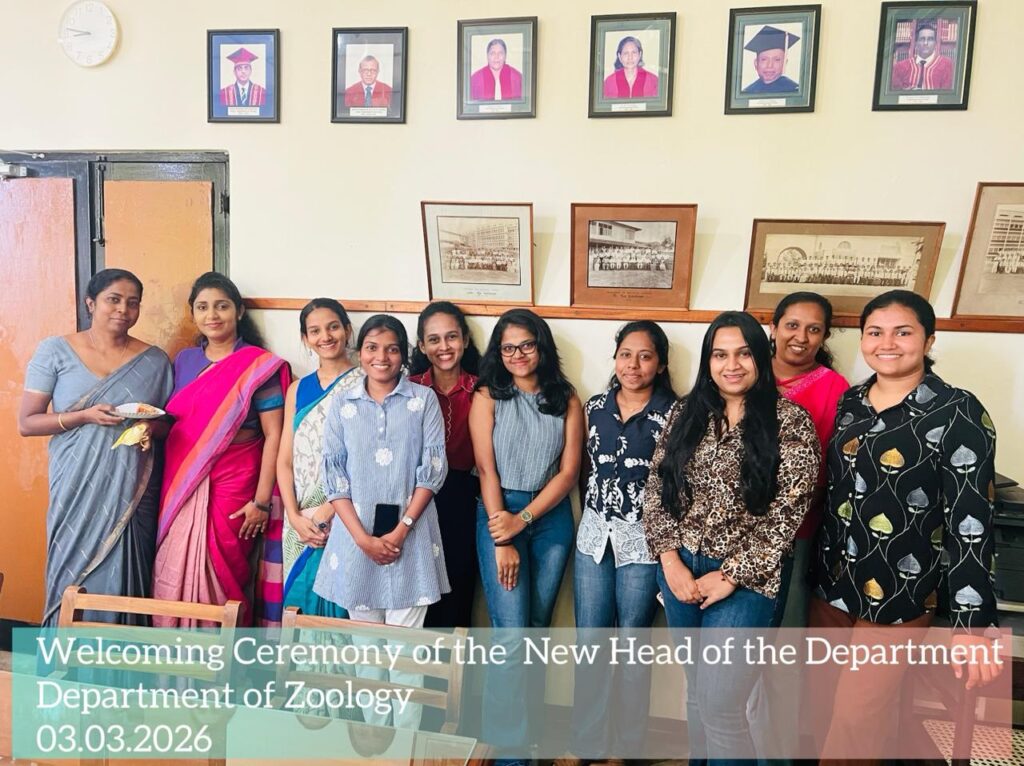
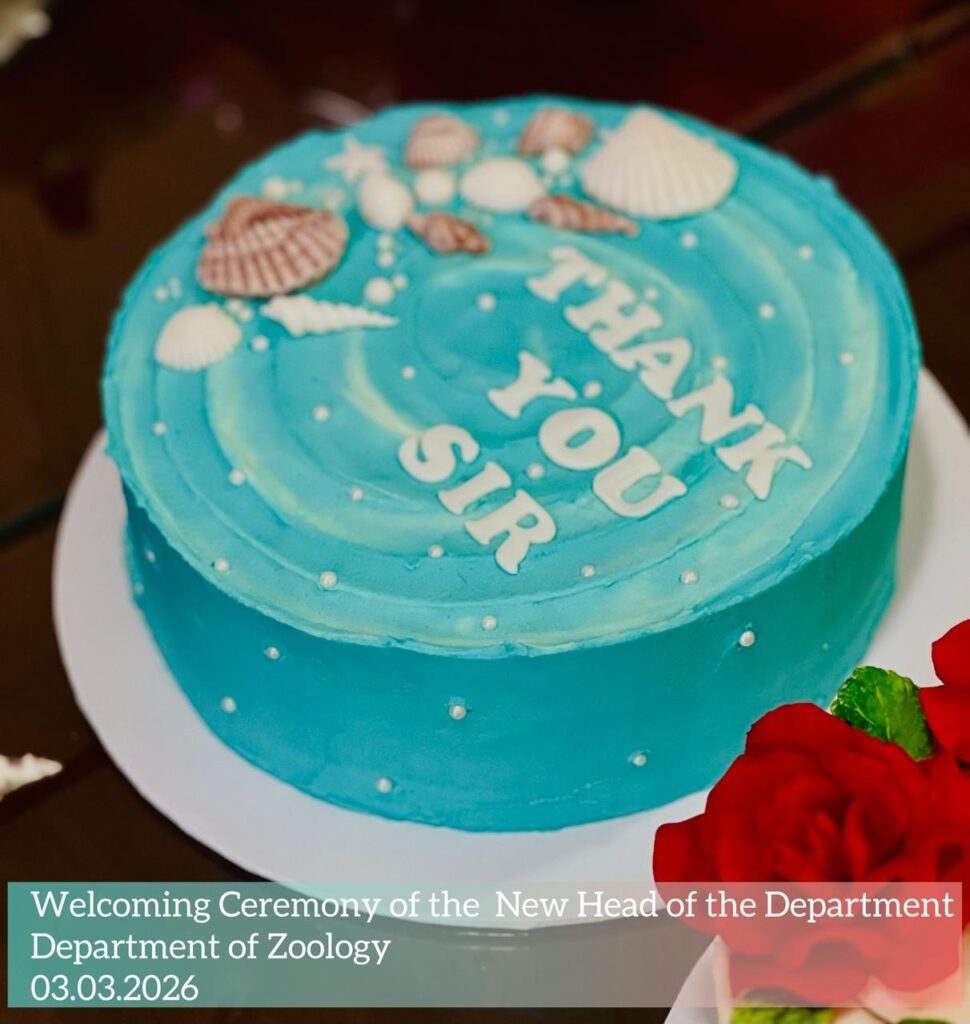
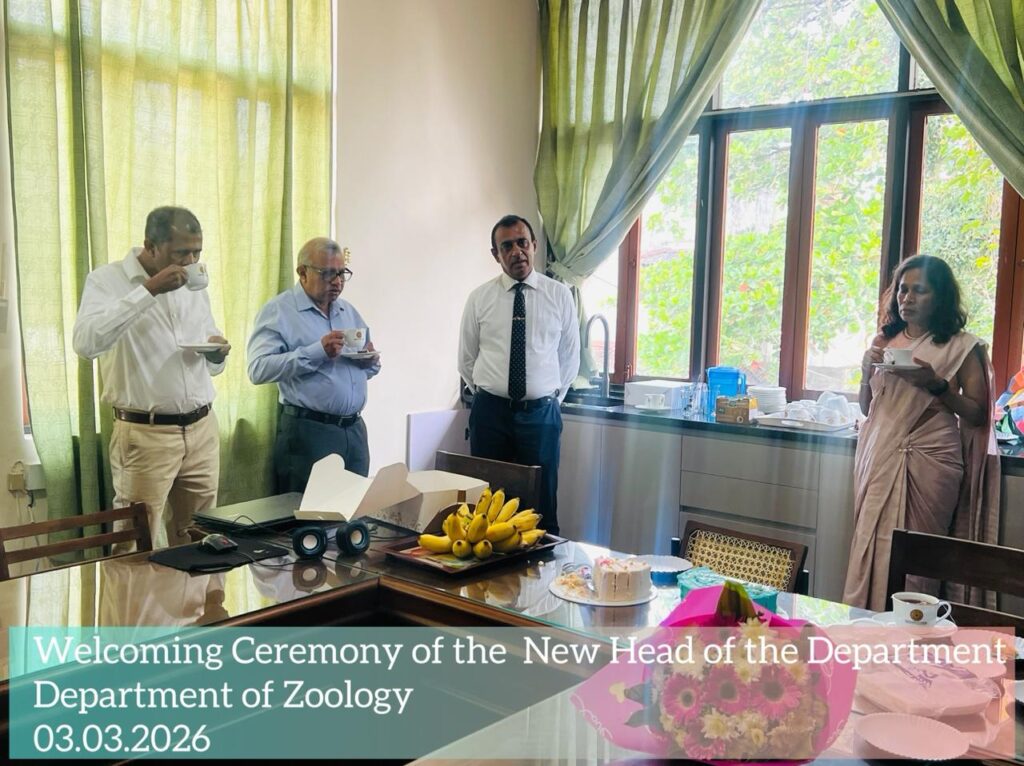
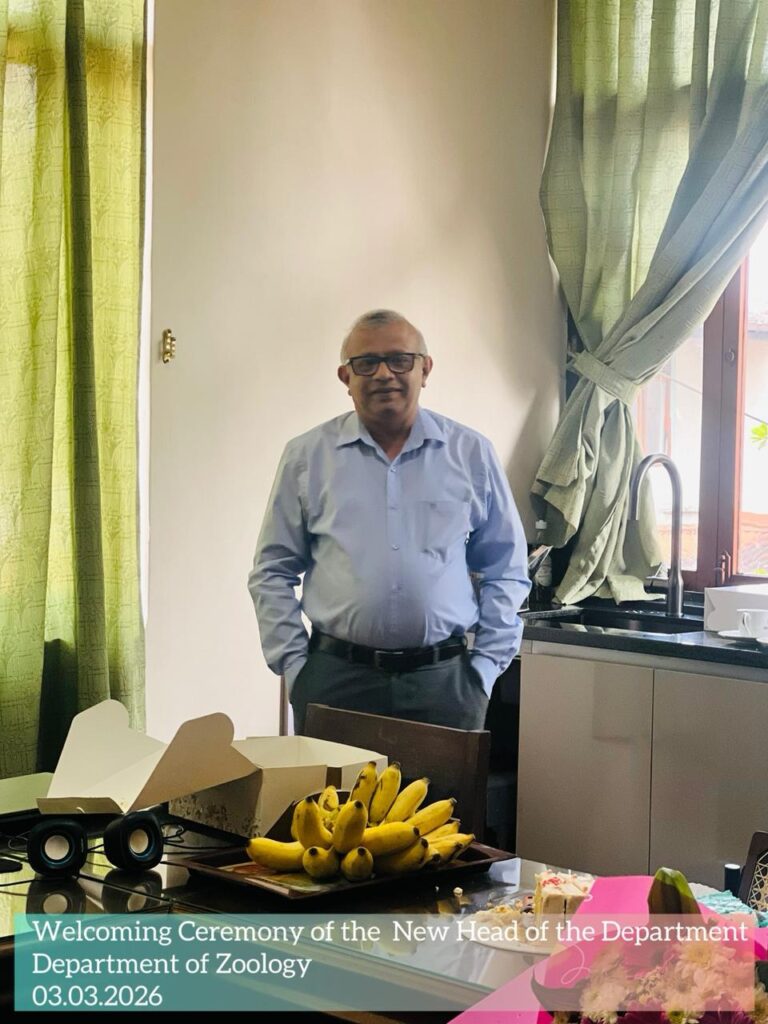
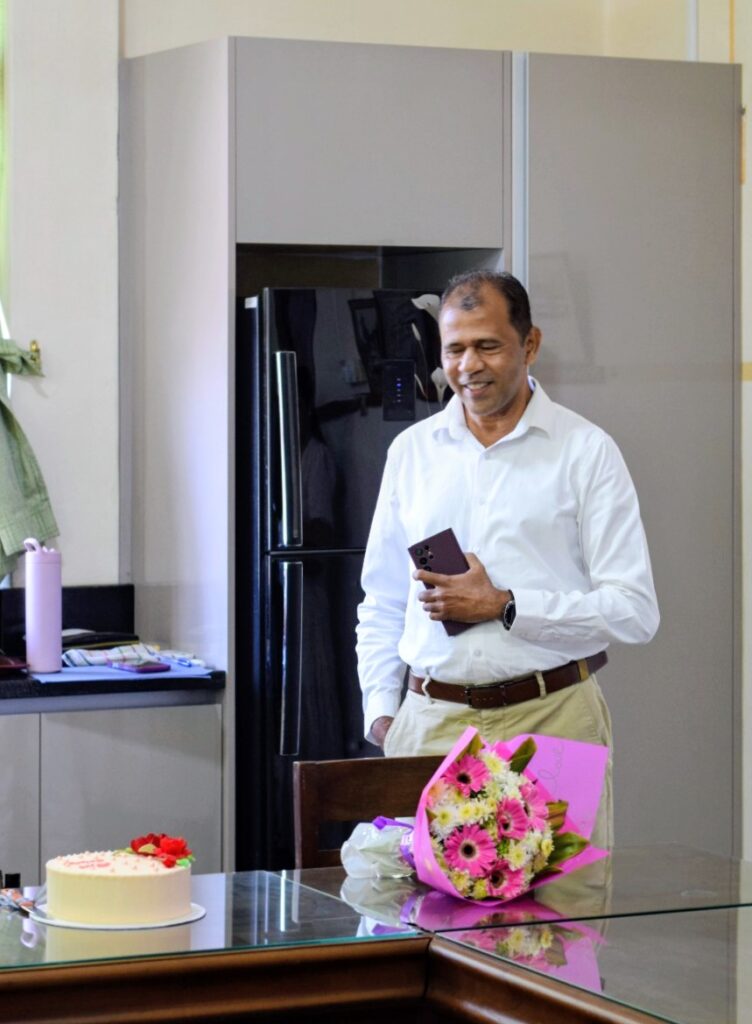
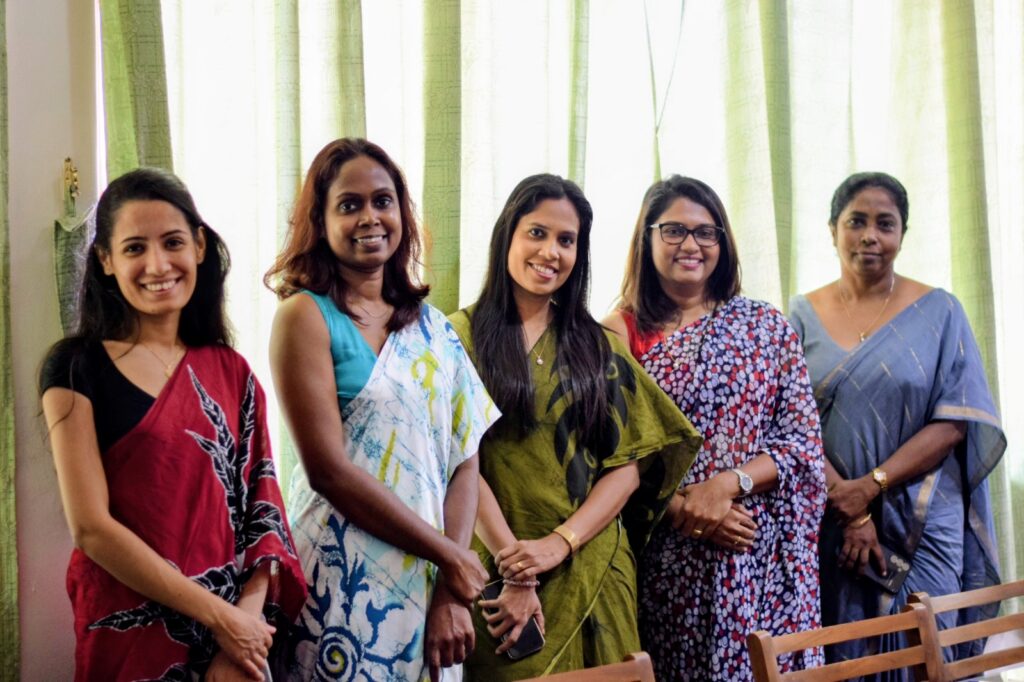
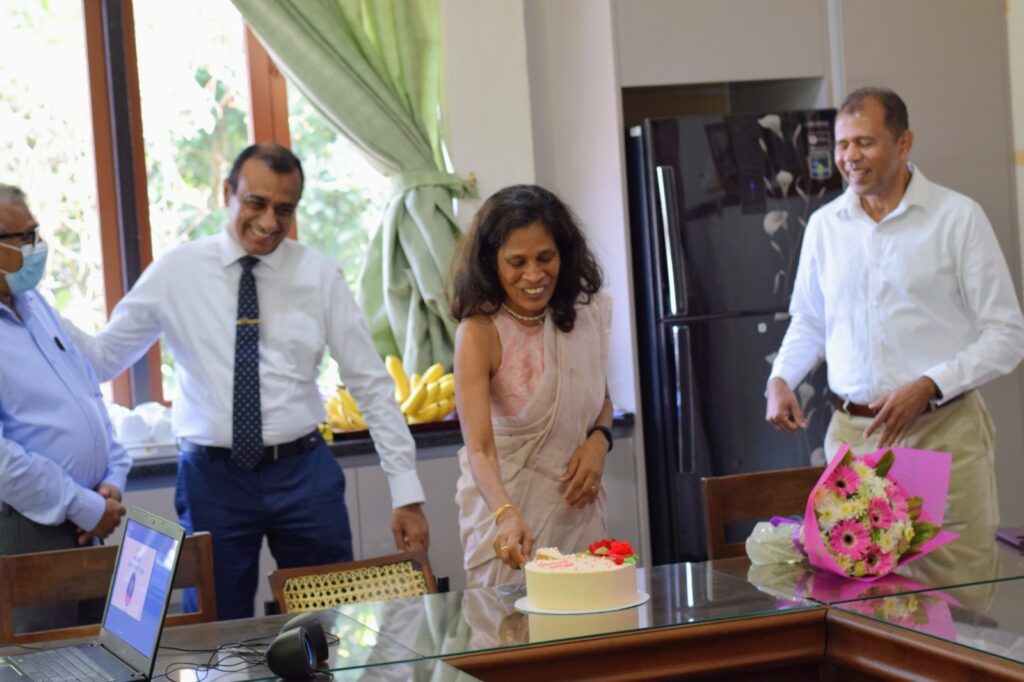
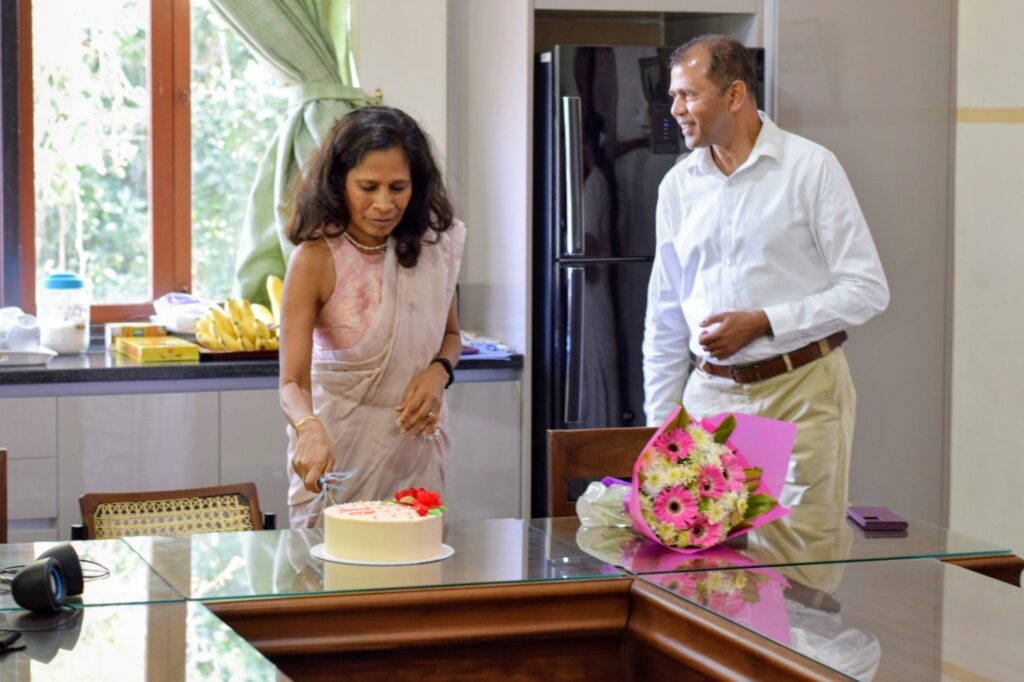
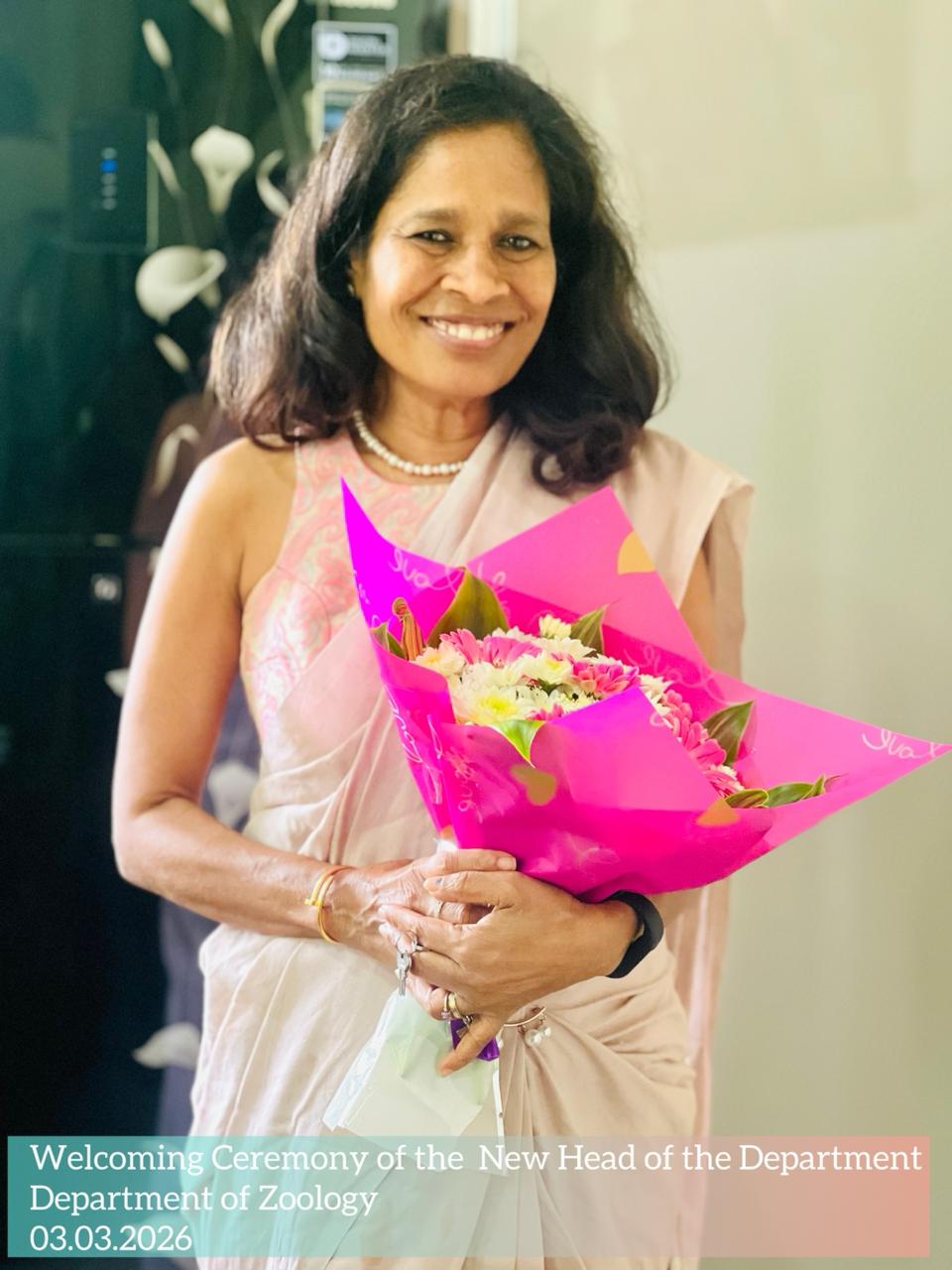
Senior Professor Dinithi Peiris Appointed as Head of the Department of Zoology

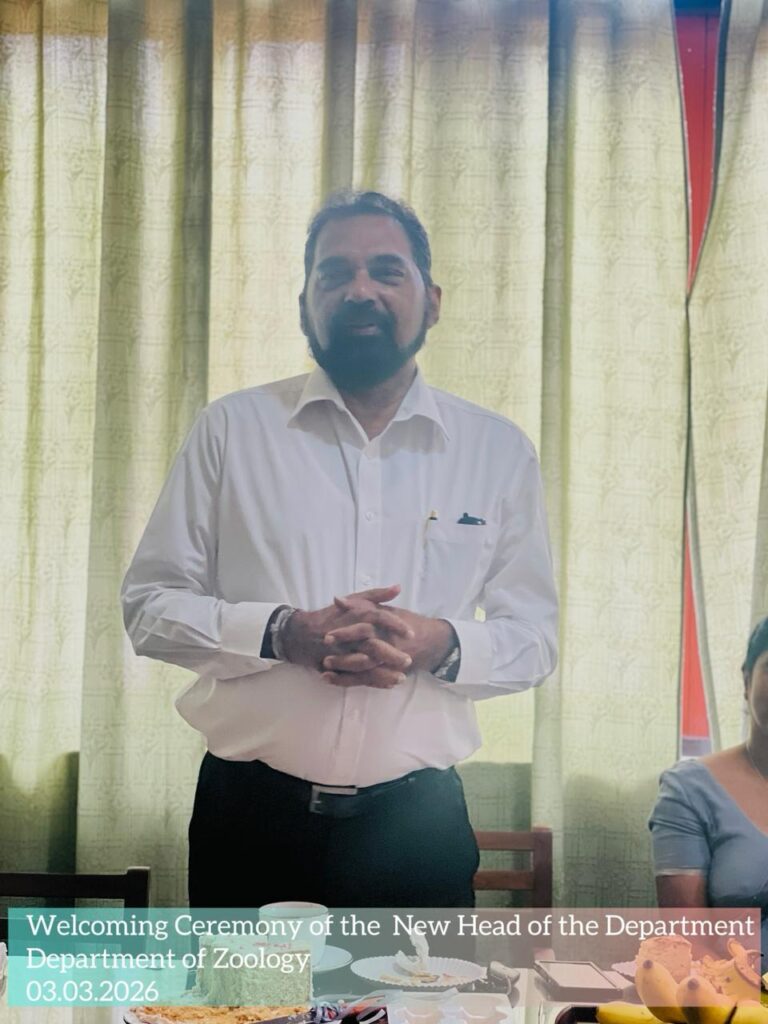
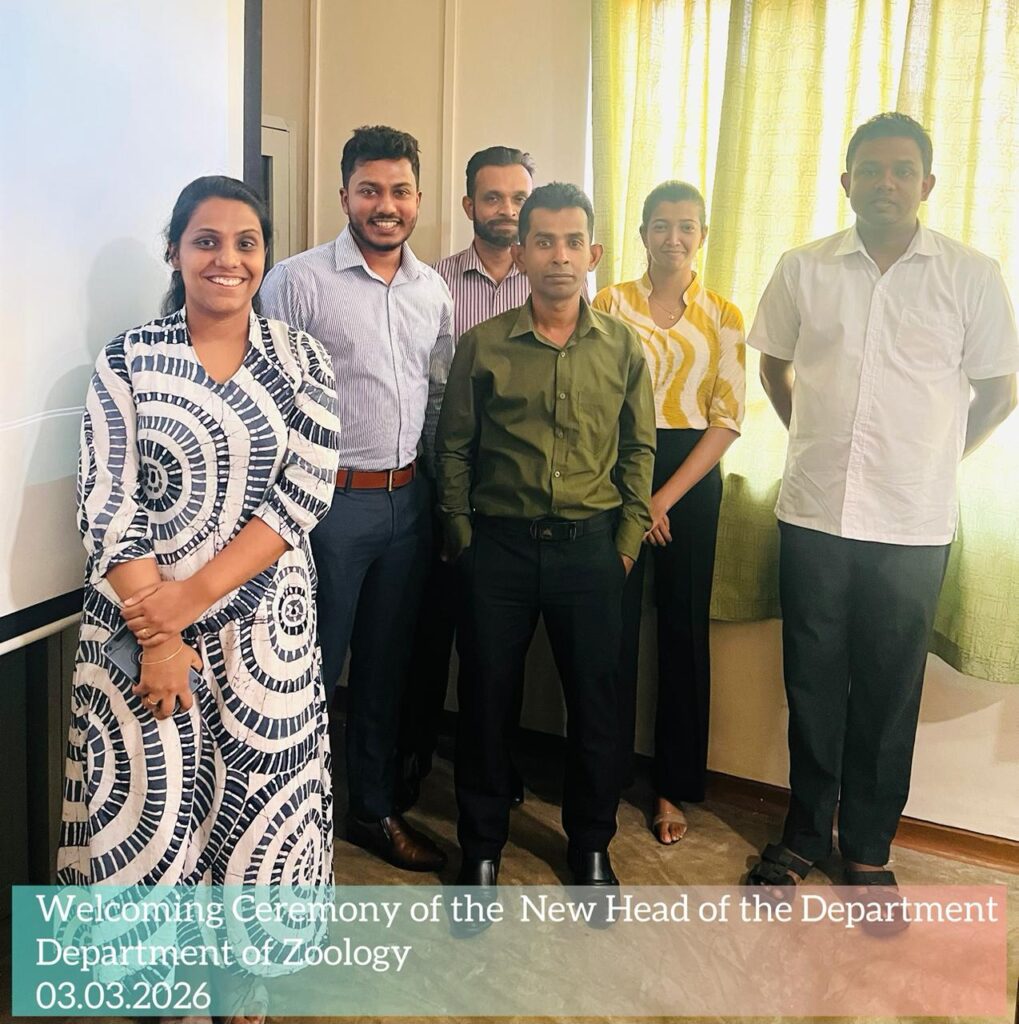
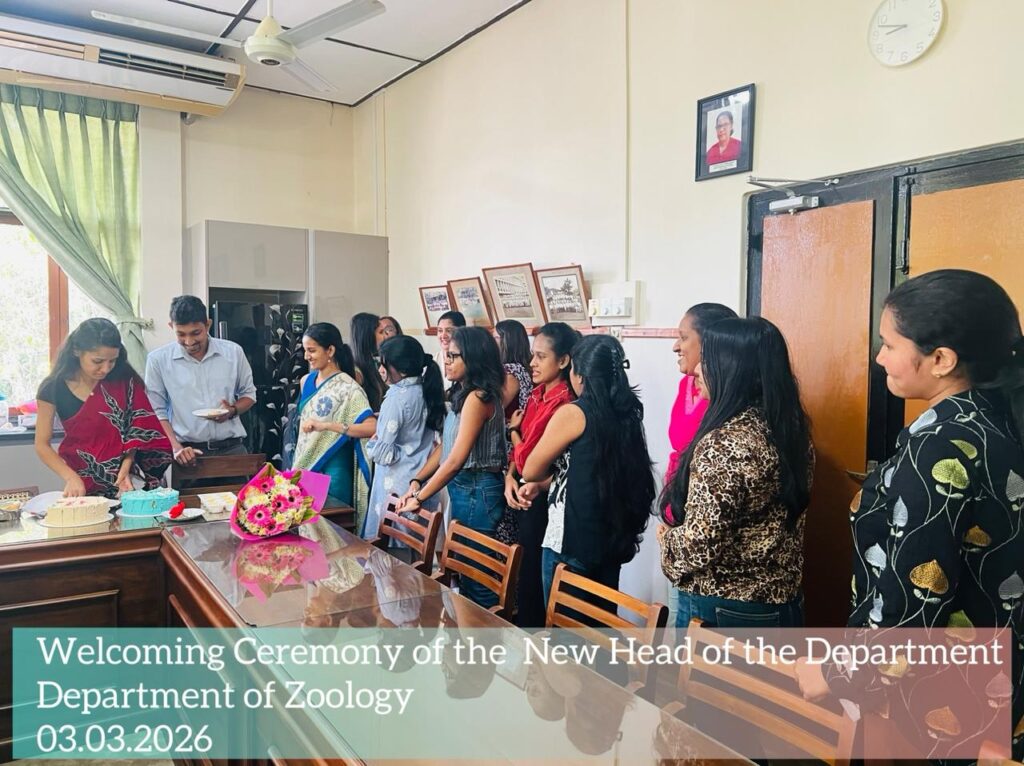
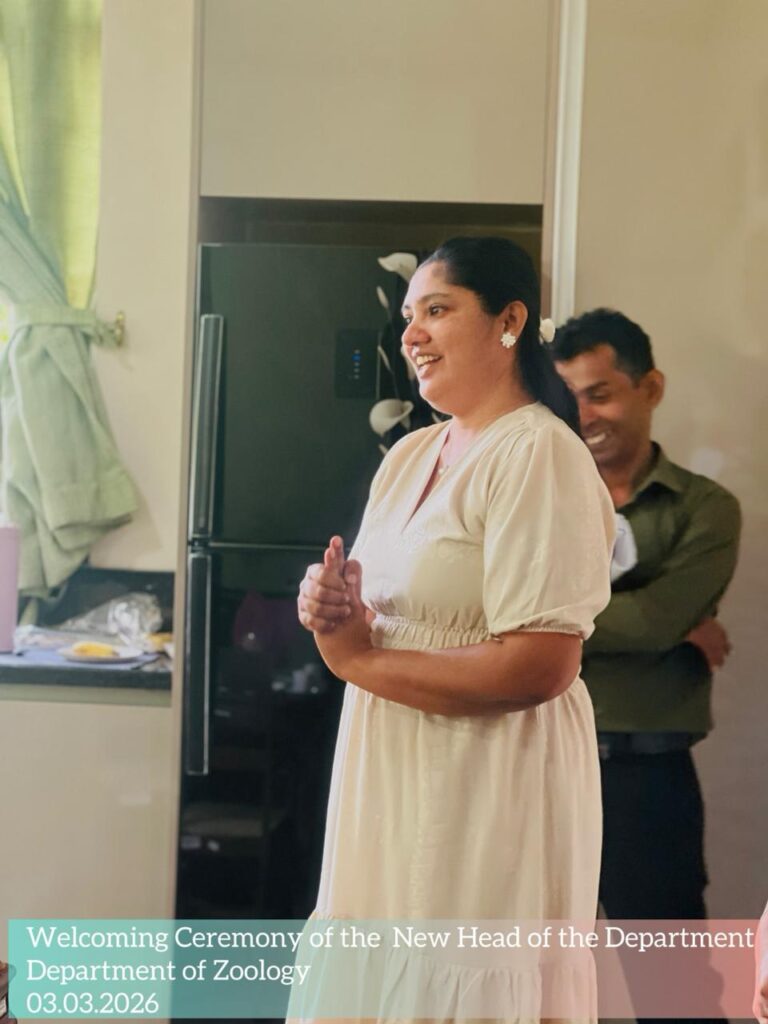
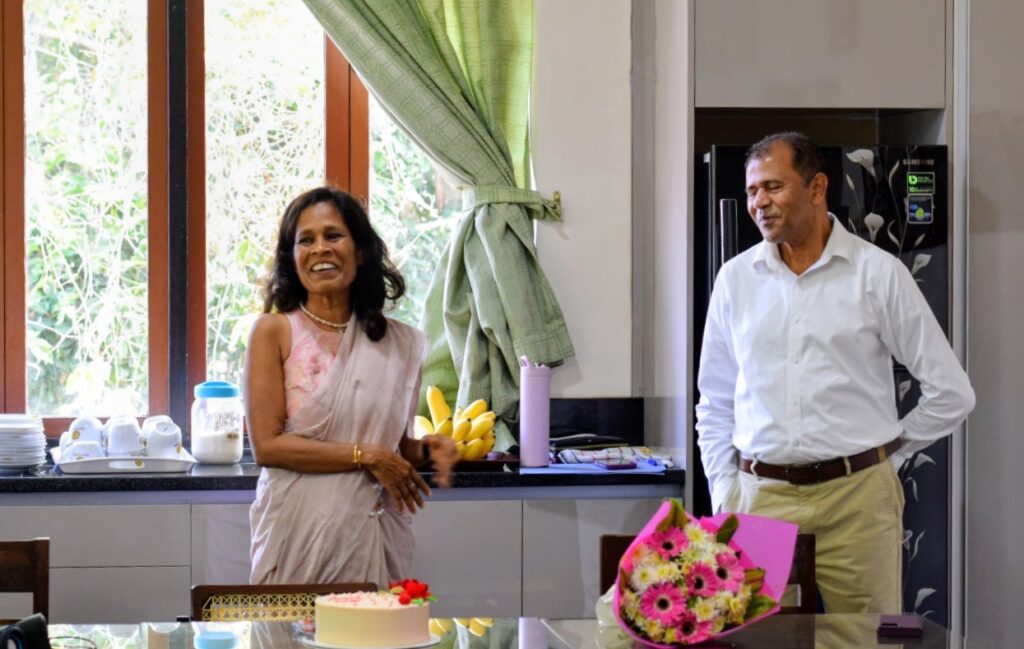
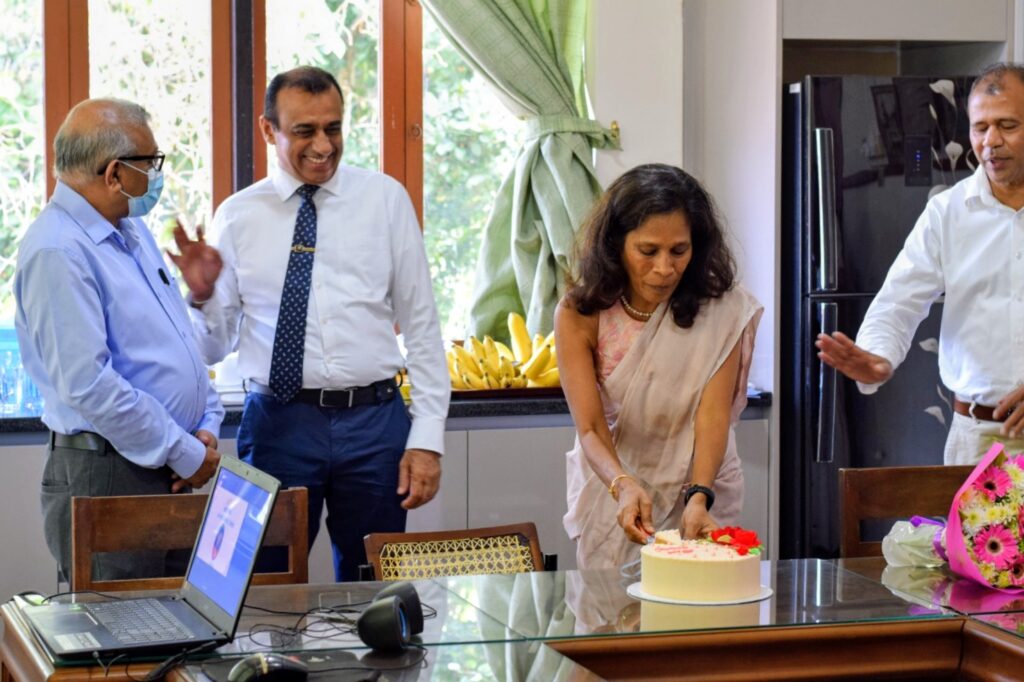
The Department of Zoology is pleased to announce the appointment of Senior Professor Dinithi Peiris as the new Head of the Department of Zoology. The Department of Zoology warmly welcomes Snr. Prof. Dinithi Peiris to her new role and looks forward to her leadership in guiding the department toward continued academic excellence and growth.

Snr. Prof. Dinithi Peiris assumes duties following the completion of the three-year tenure of Prof. Kamal Ranatunga, who served the department with dedication and leadership. Your commitment, wisdom, and guidance have greatly contributed to the growth and strength of the department. The department extends its sincere appreciation and gratitude to Prof. Kaml Ranatunga for his valuable leadership and contributions during his tenure.

As a senior academic with extensive experience in teaching, research, and academic administration, Snr. Prof. Dinithi Peiris is expected to guide the department toward further academic excellence, research advancement and new heights.

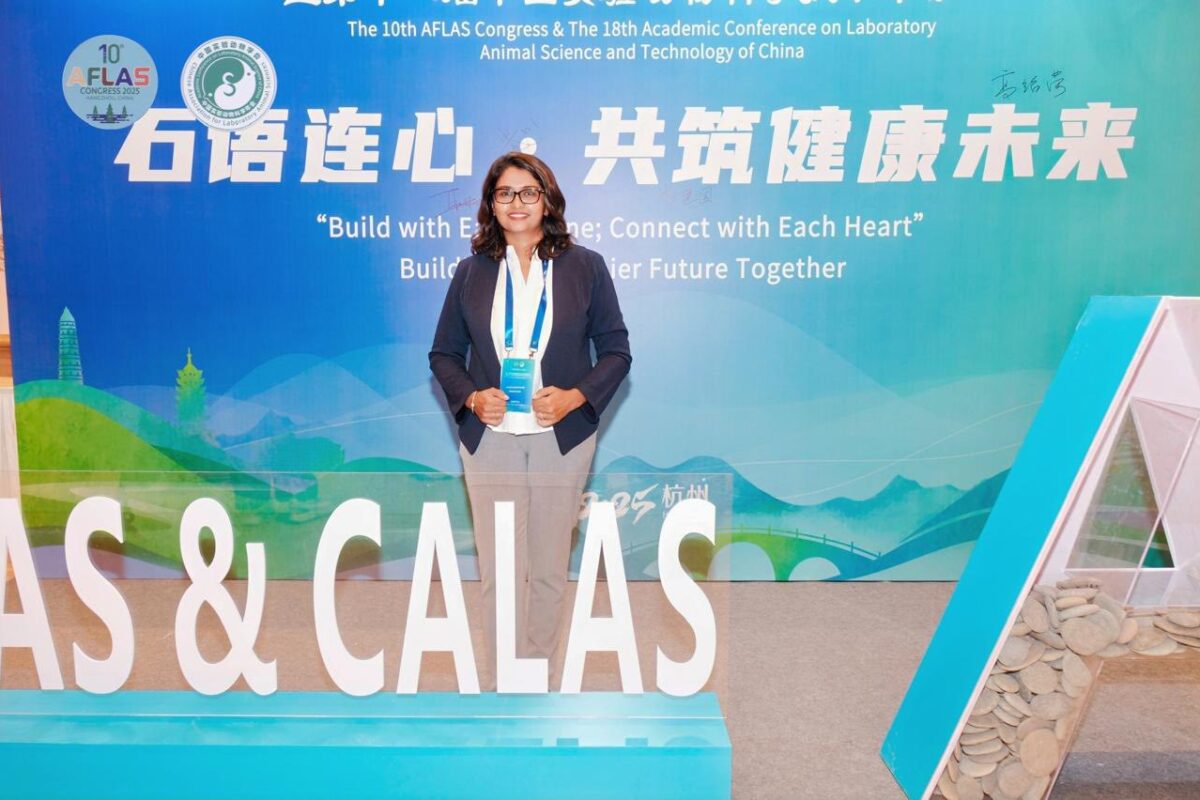
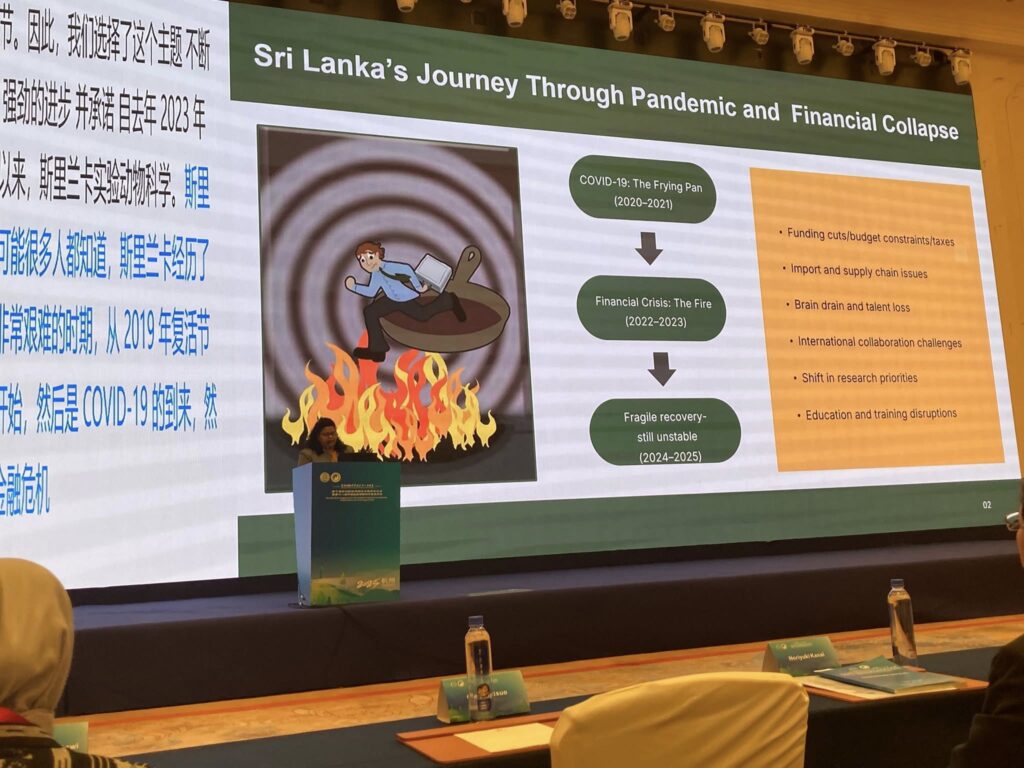
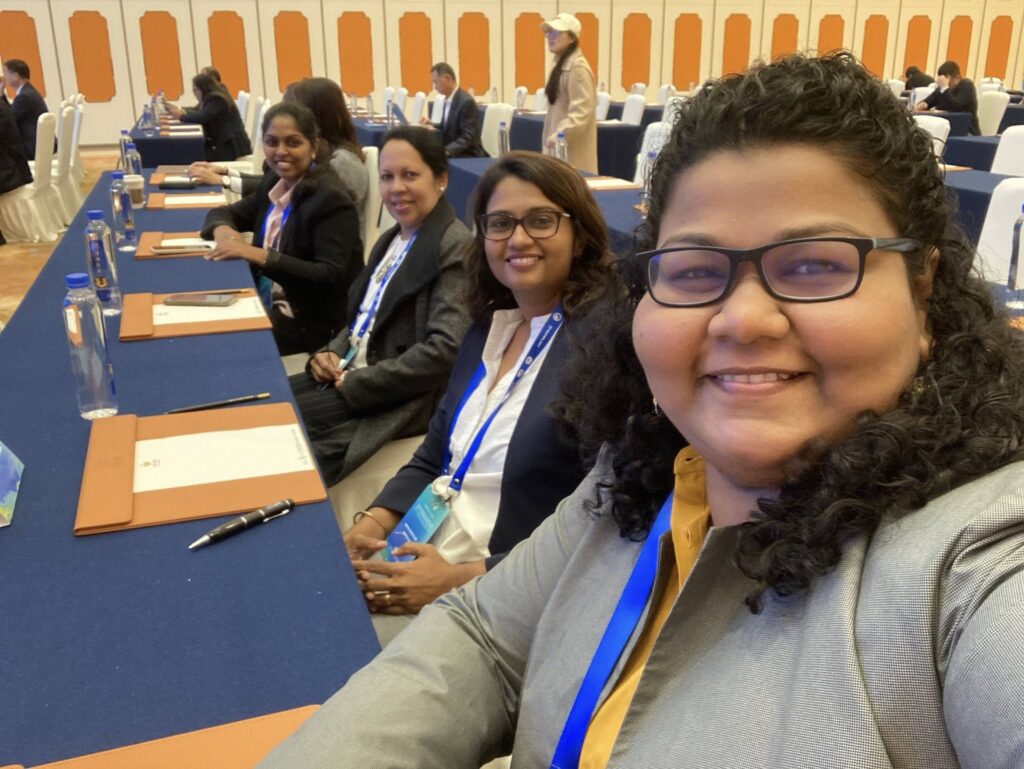
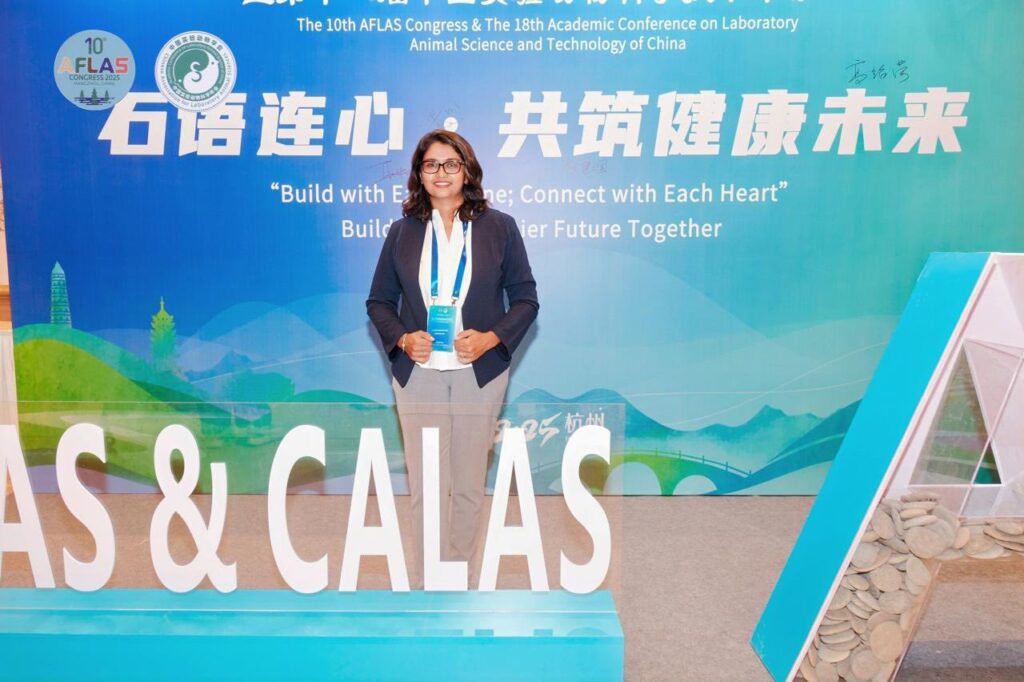
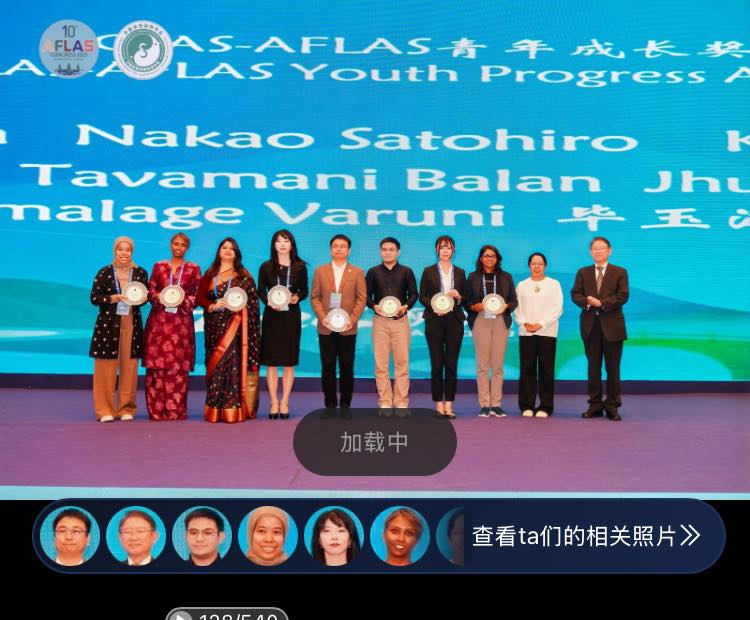
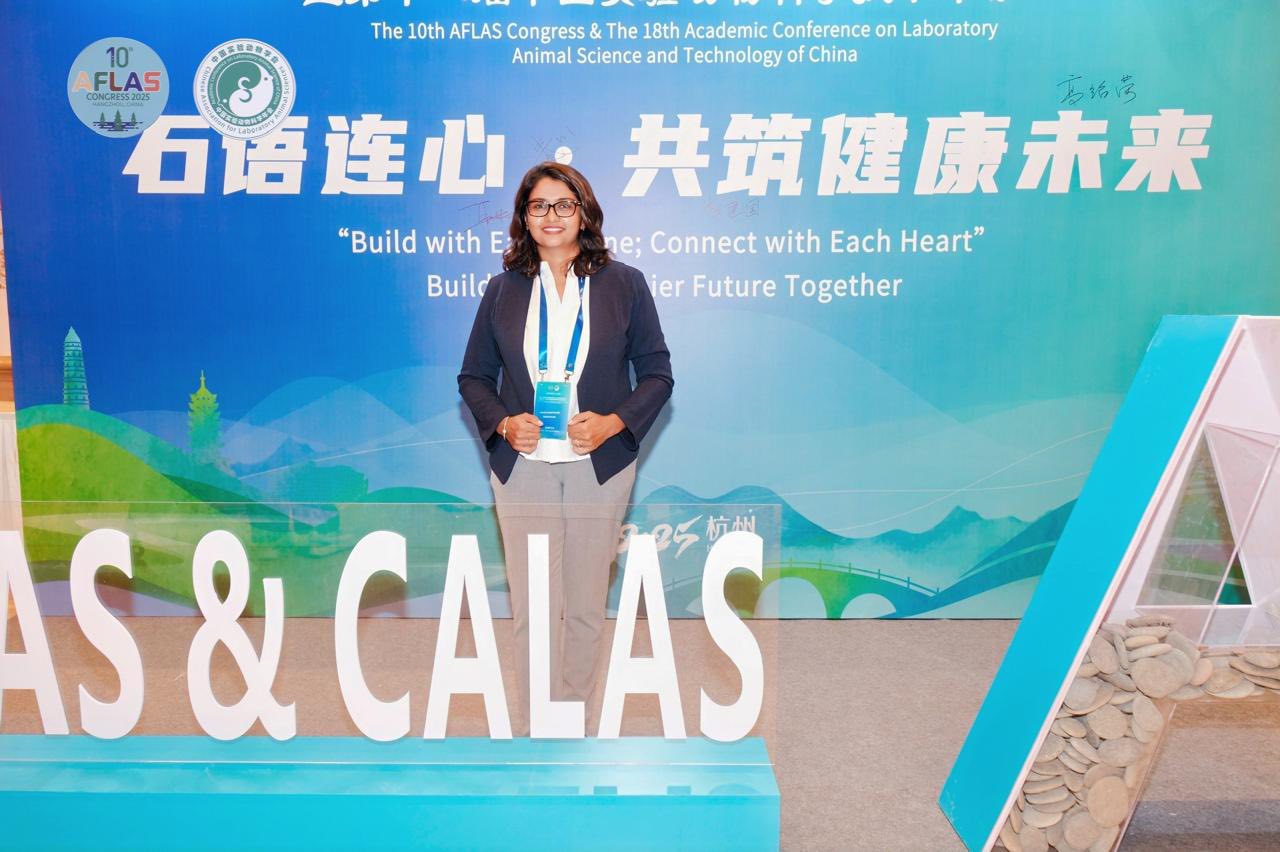
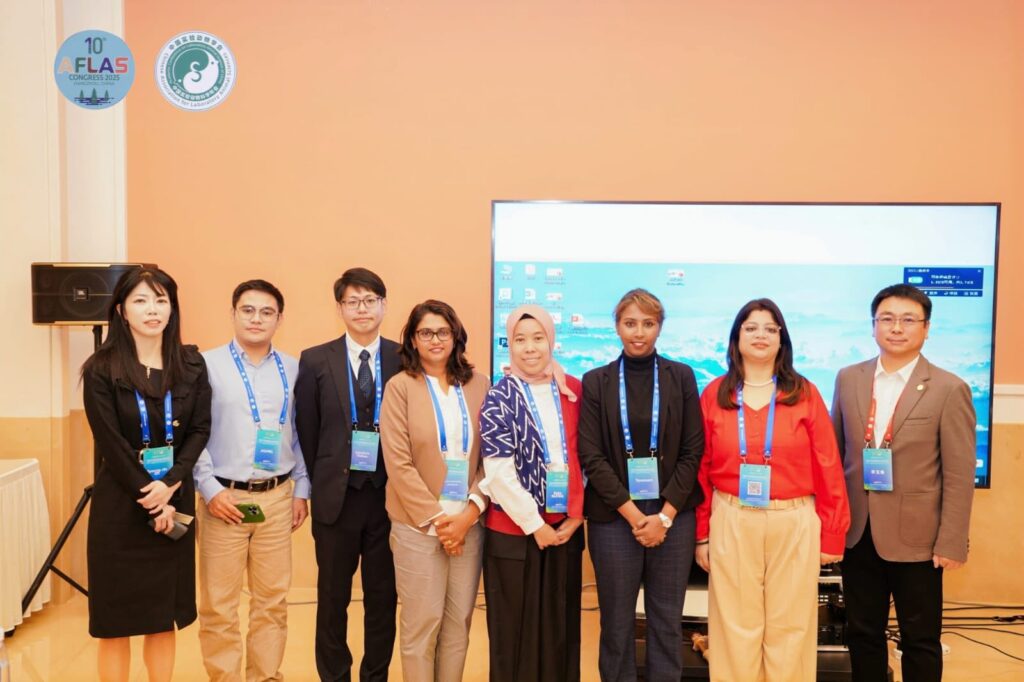
Dr. Varuni Gunathilake Receives Prestigious Youth Progress Award from AFLAS and ICLAS 2025

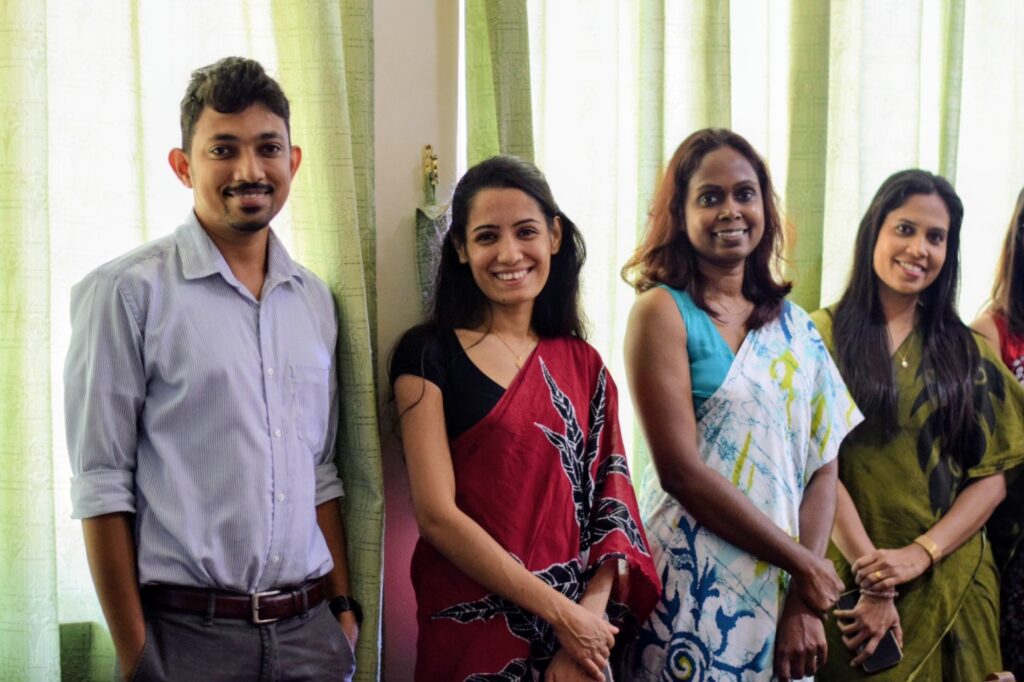
Dr. Varuni Gunathilake, Senior Lecturer in Zoology at the University of Sri Jayewardenepura,
also the President of the Sri Lanka Association of Laboratory Animal Science (SLALAS) has
been honored with the Youth Progress Award 2025, jointly presented by the Asia Federation of
Laboratory Animal Science Associations (AFLAS) and the International Council for Laboratory
Animal Science (ICLAS). This prestigious international recognition celebrates Dr. Gunathilake’s
outstanding contributions and commitment to the advancement of laboratory animal science,
ethical research practices, and capacity building in Sri Lanka. Her leadership in promoting
responsible animal-based research, scientific innovation, and education has significantly
strengthened the field at both national and regional levels. This award stands as a well-deserved
recognition of her dedicated service in Sri Lanka and impactful contributions at the international
level.

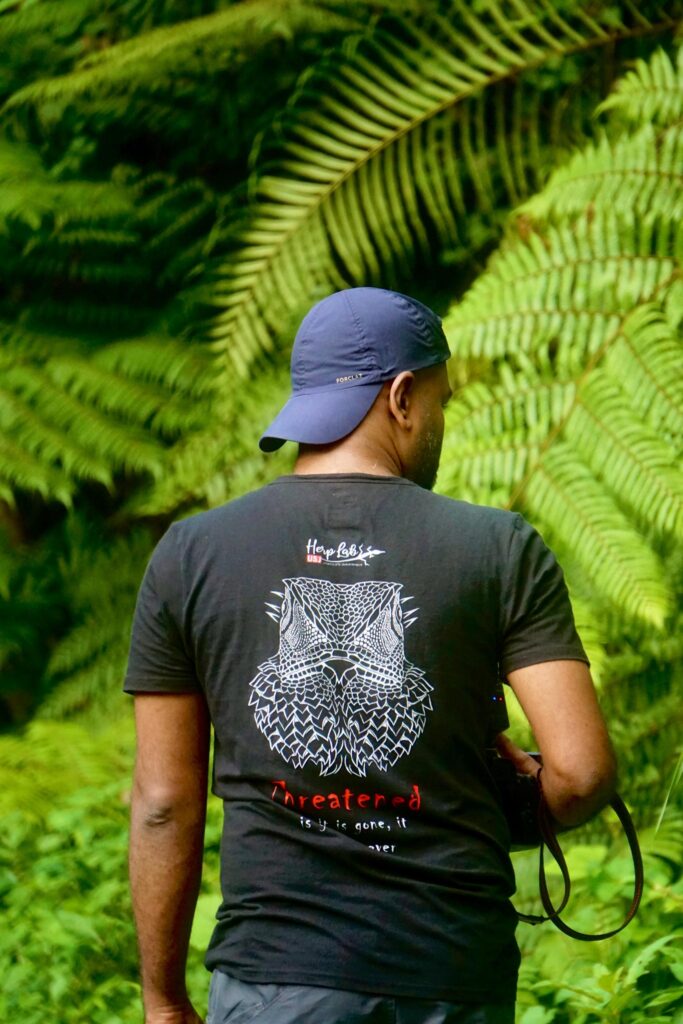
Amphibian Conservation Workshop by the HerpLab

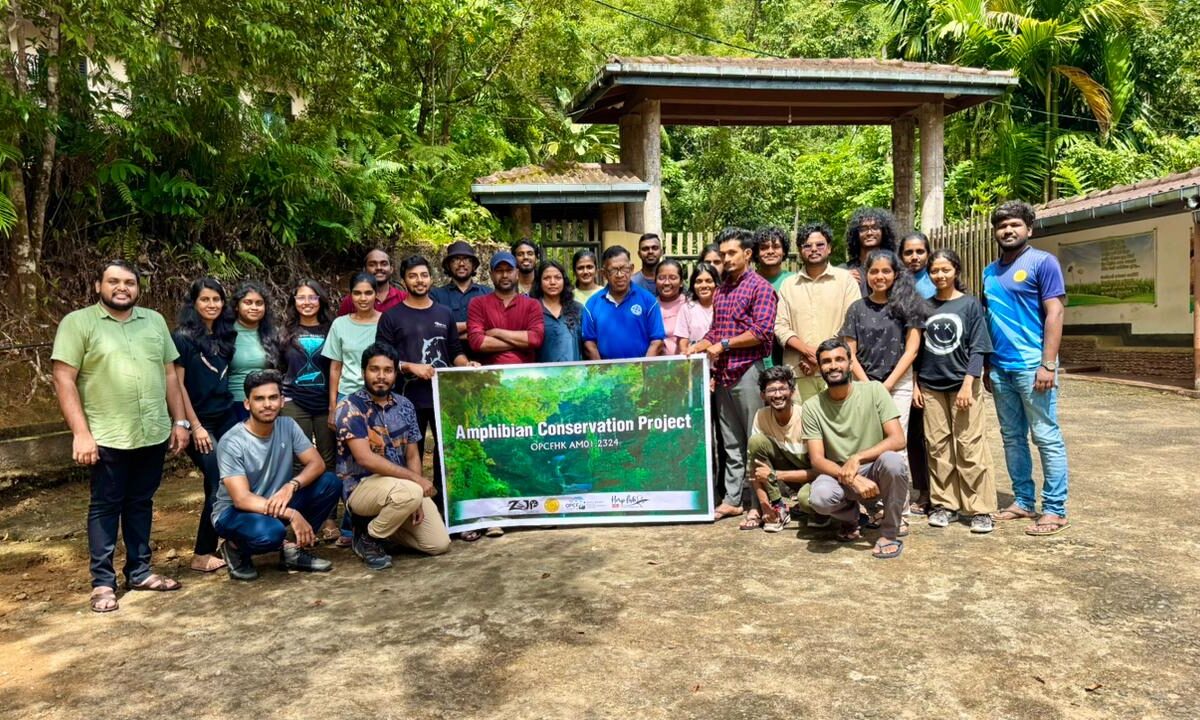
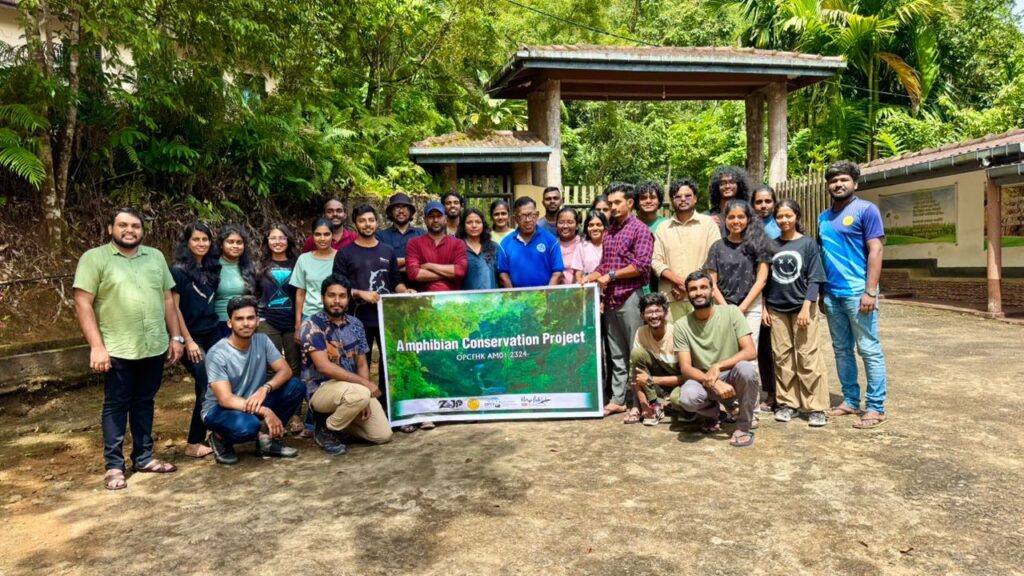
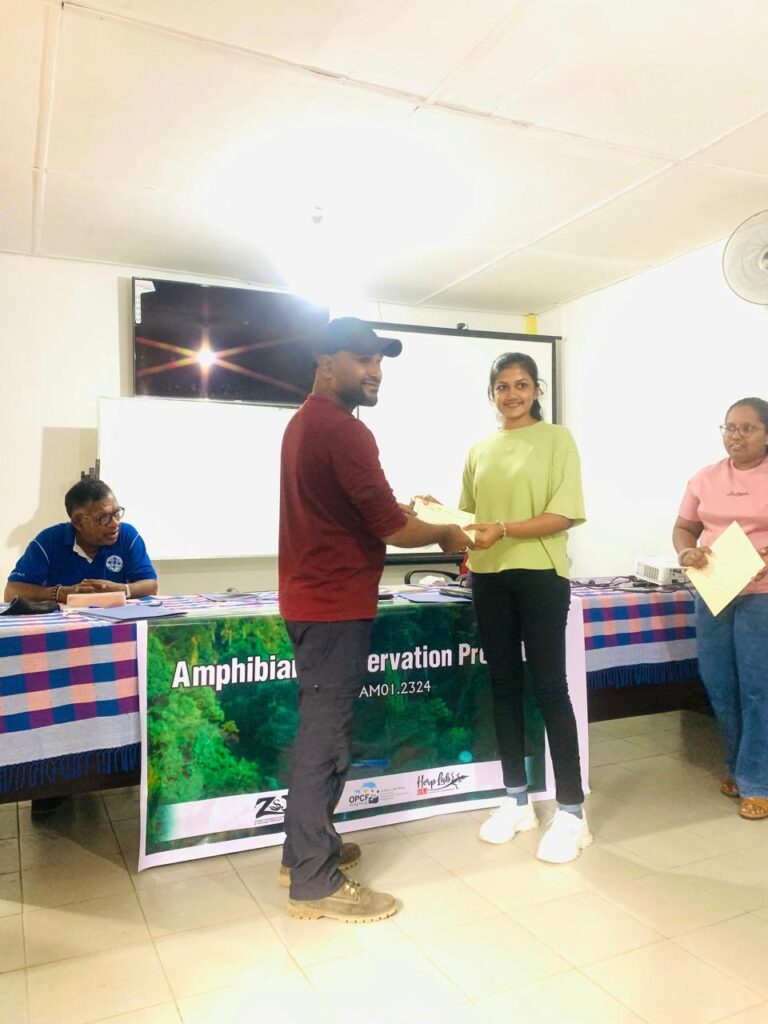
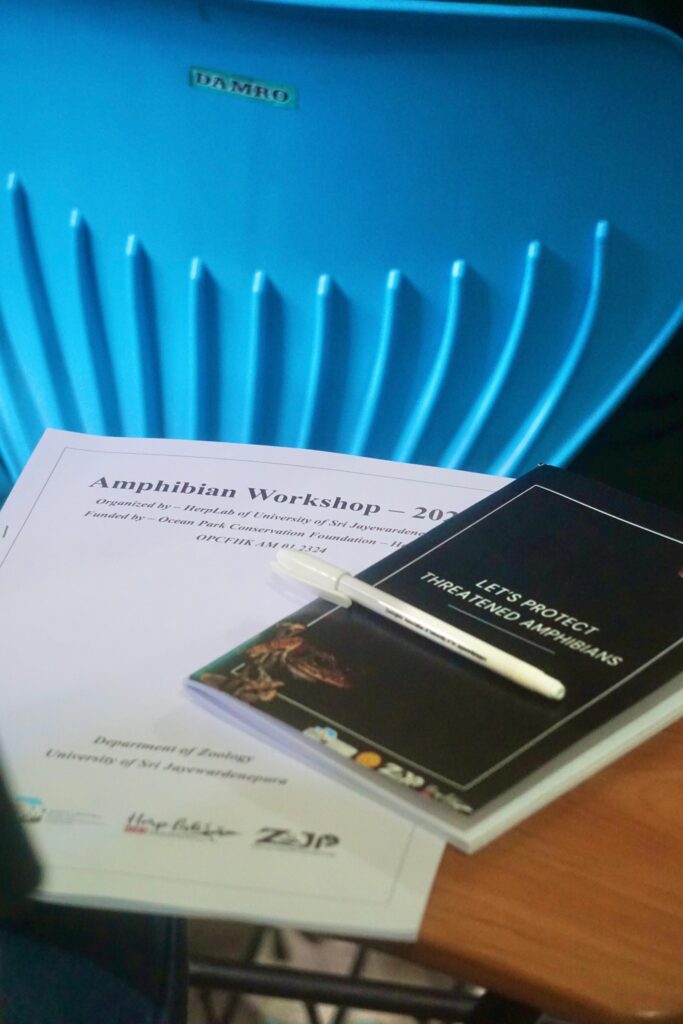
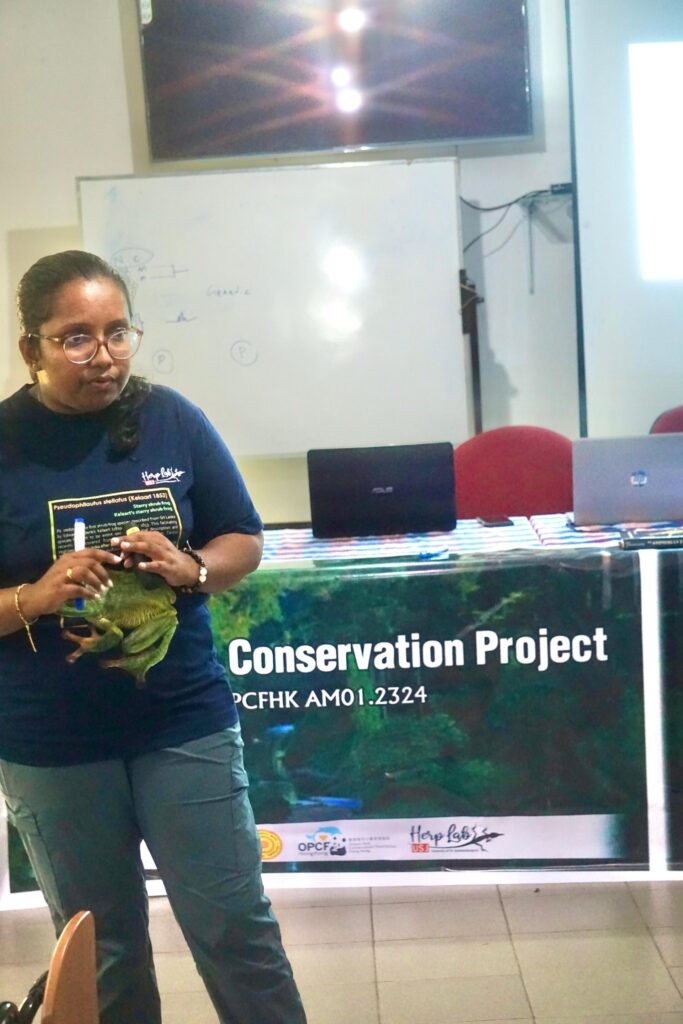
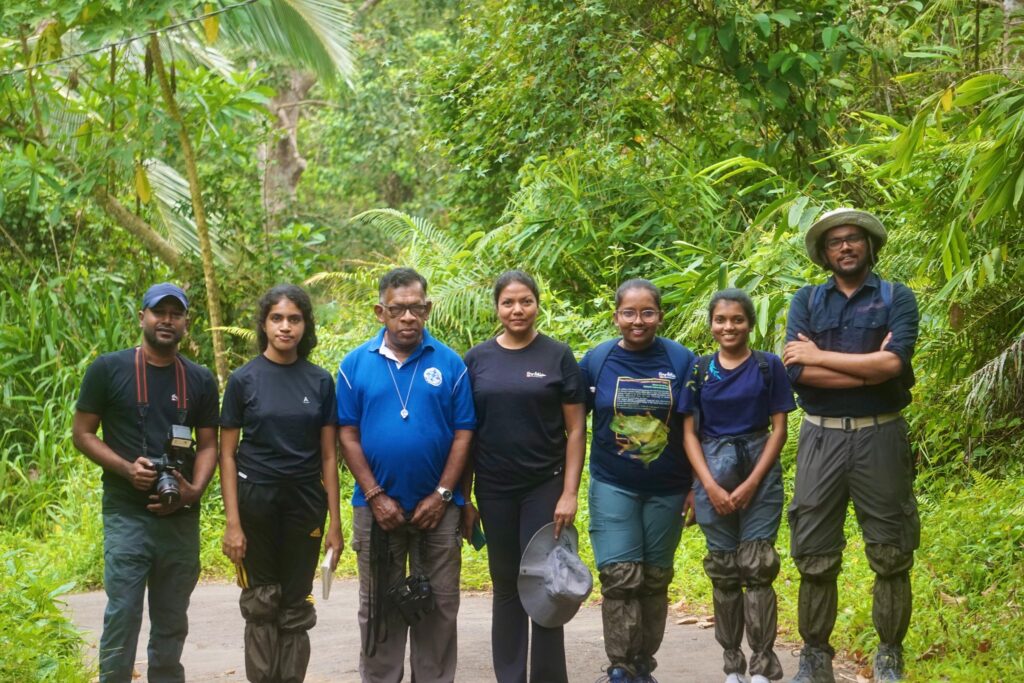
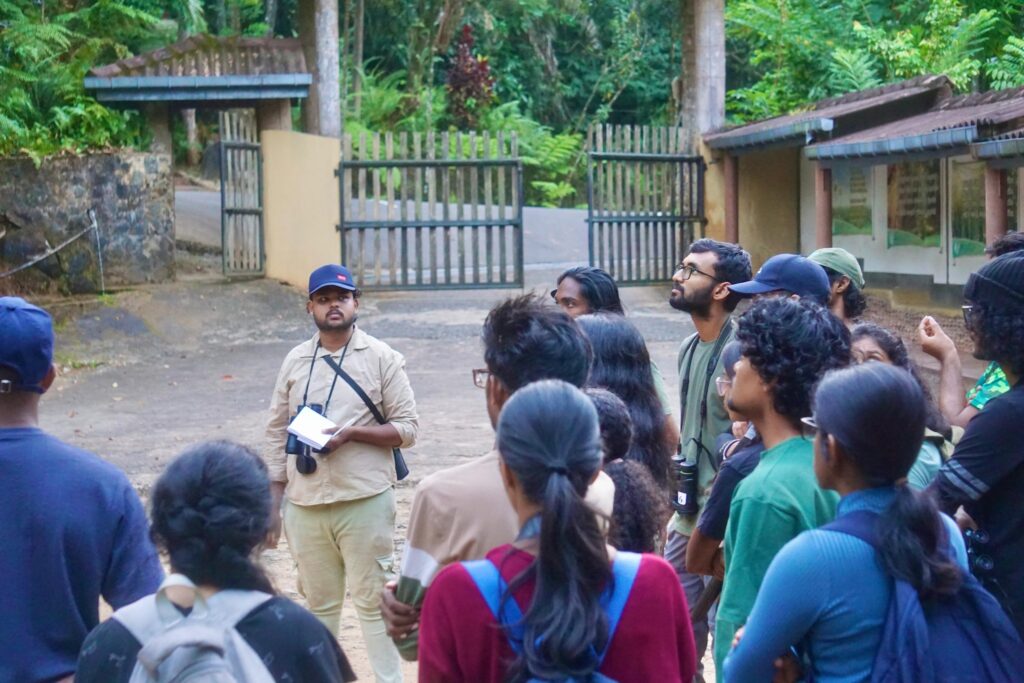
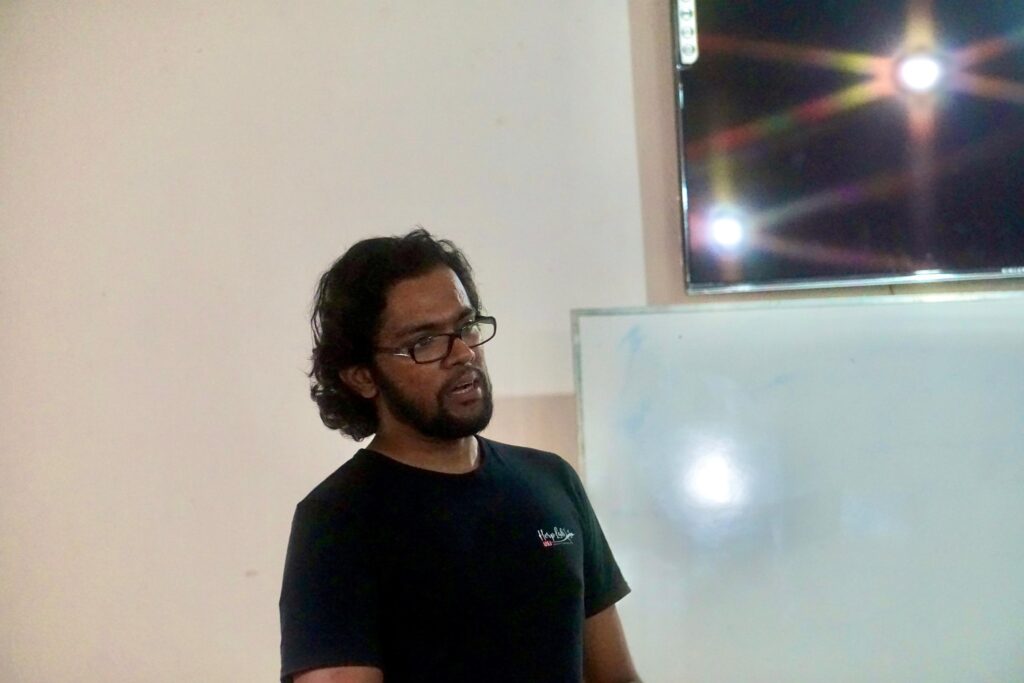
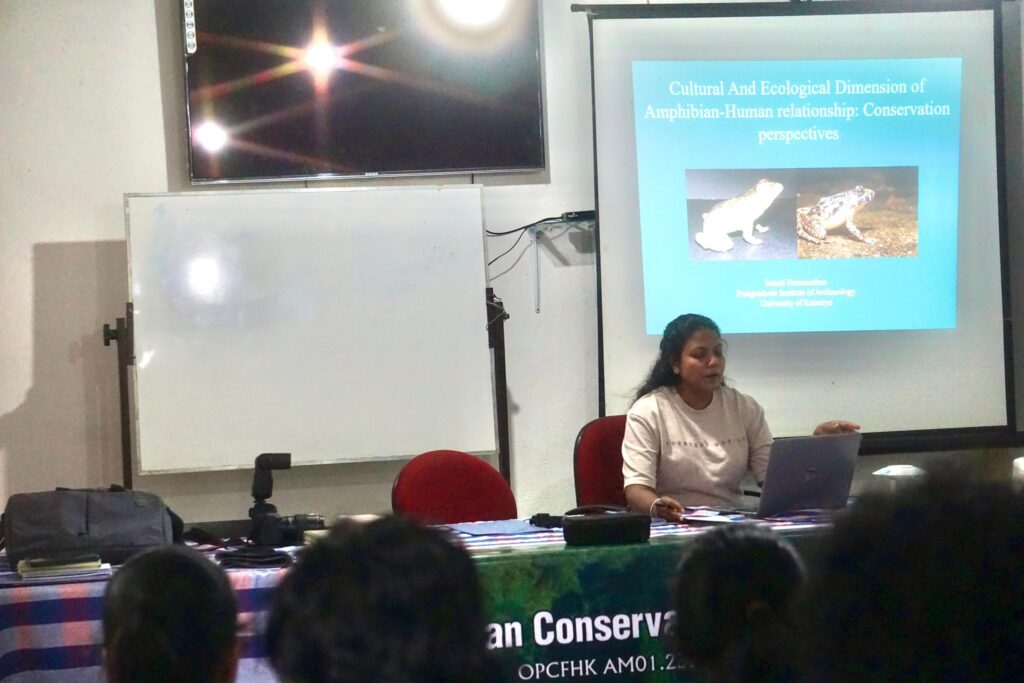
Zoologists’ Association of University of Sri Jayewardenepura had the opportunity to be engaged in the Amphibian Conservation Workshop was organized by the HerpLab of University of Sri Jayewardenepura and funded by the Ocean Park Conservation Foundation, which was held on 26th and 27th of August,2025 at the Sinharaja World heritage rainforest.

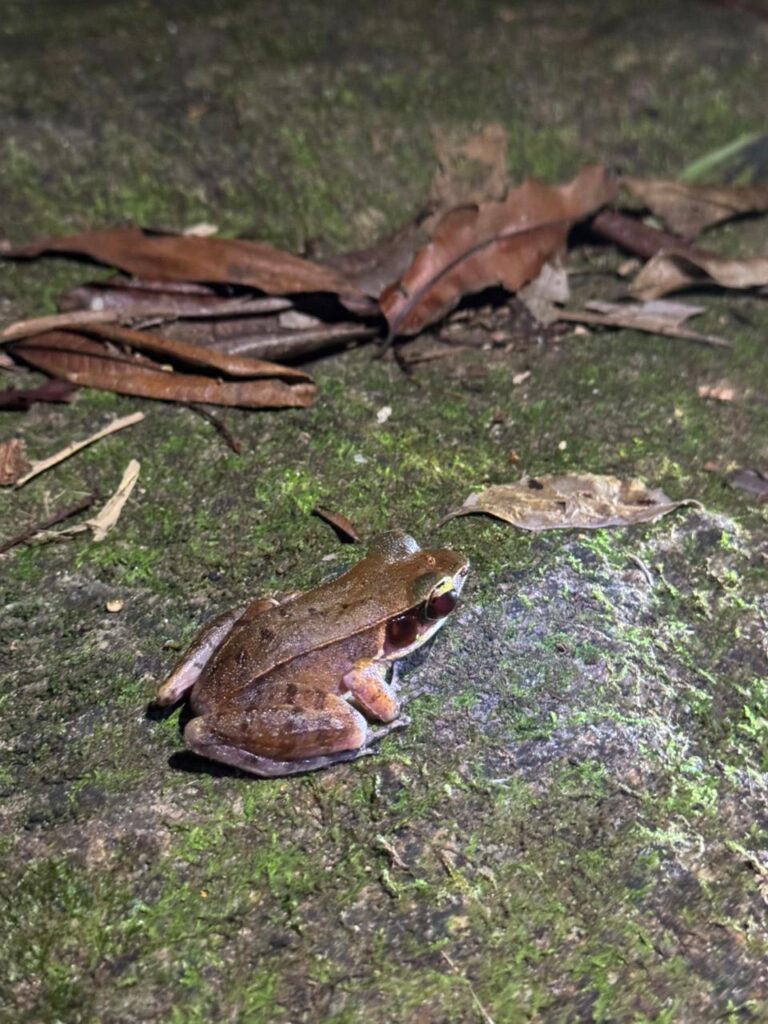
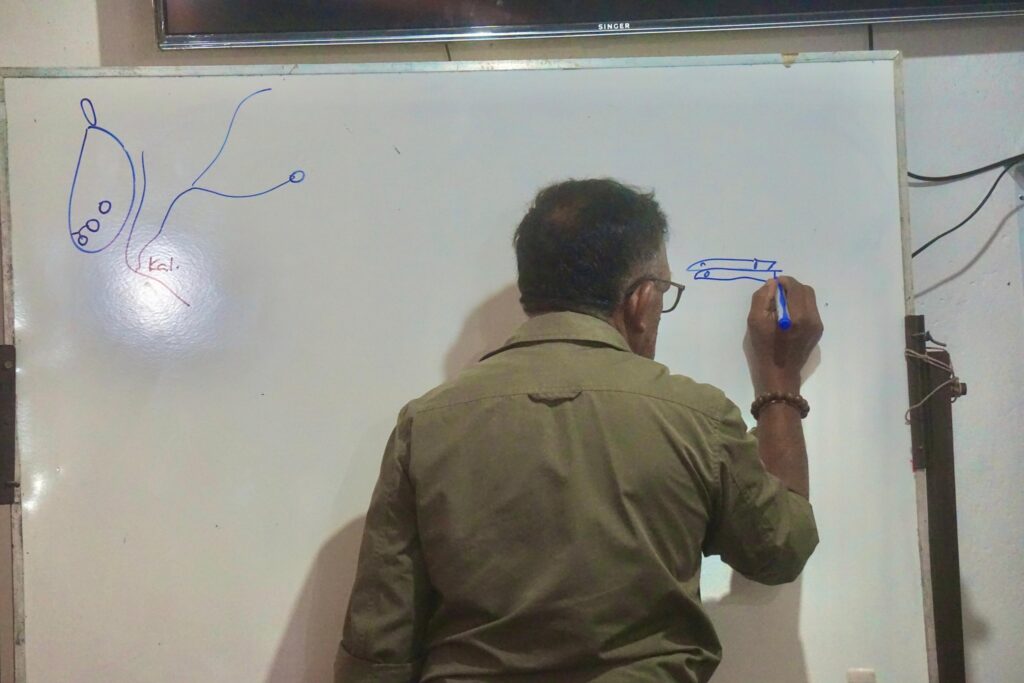
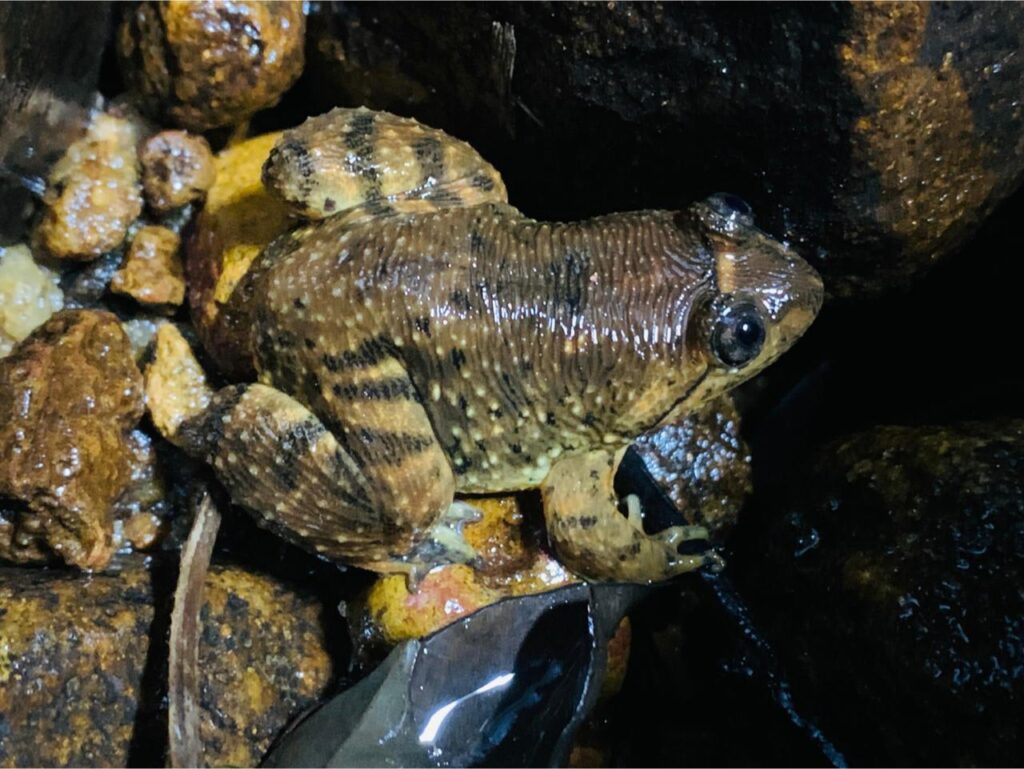
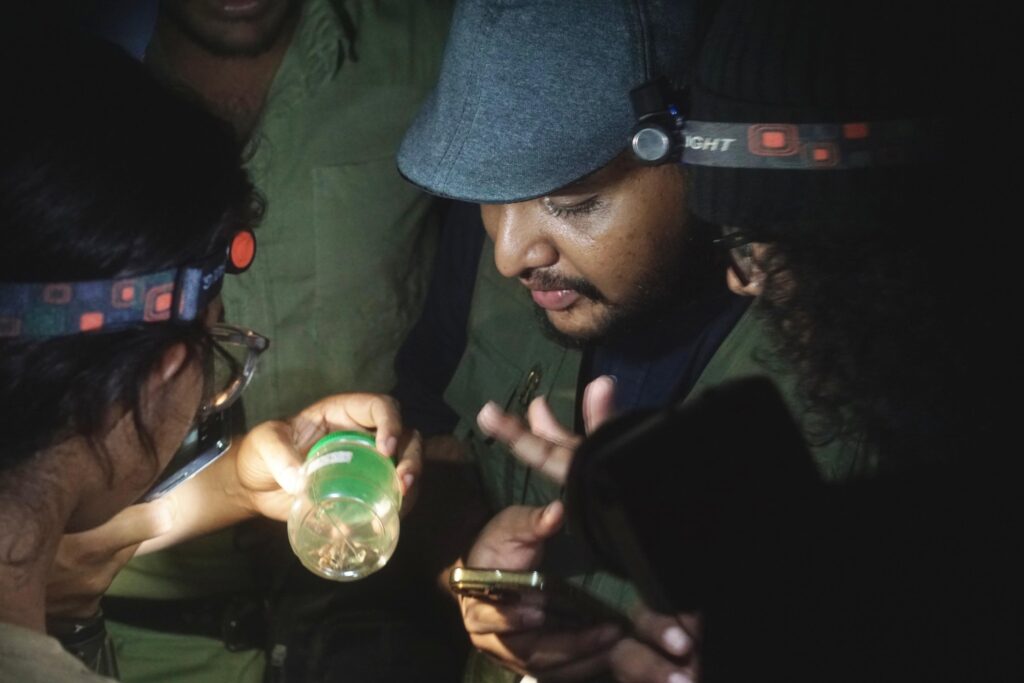
Participants had the opportunity to experience the combination of field exploration, hands-on learning, and meaningful discussions on the conservation of Sri Lanka’s remarkable amphibian diversity. From identifying species in their natural habitats to engaging in insightful sessions on research and conservation strategies, every moment enriched our understanding of these vital yet vulnerable creatures.

A special appreciation is dedicated to Prof. Ranathunga, Dr. Nayana Wijayathilaka, Dr. Kelum Manamendra Arachchi, Dr. Sonali Premarathne, Miss. Helani Samarasinghe, Mr. Himasha Adhikari, Mr. Champika Bandara, Miss. Ishini Hapuarachchi and Miss. Dinithi Tharuka for their invaluable guidance, knowledge sharing, and inspiration throughout the program.